
Electrical Work That Fits Evolving Tenant Needs
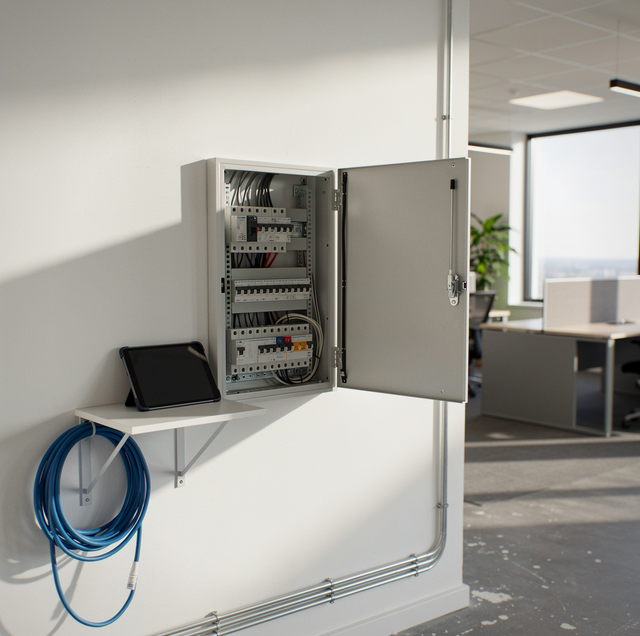
In the world of commercial spaces, flexibility is key. Whether a tenant is looking to rebrand, expand, or simply update their setup, electrical work plays a significant role in adapting to those evolving needs. A well-executed electrical system overhaul can help tenants seamlessly transform a space to meet their new requirements, while maintaining a smooth workflow and preventing headaches down the road.
Adapting to Changing Demands
Tenant improvements aren't just about fresh paint and new furniture. They often involve substantial electrical work, especially when the business's operational needs shift. As tenants grow, they might need additional outlets, new lighting configurations, or power systems capable of handling more complex equipment. Whether it's adding additional workspace for employees, upgrading lighting for a modern office look, or preparing a space to accommodate high-tech machinery, electrical upgrades are crucial.
In the retail world, flexible electrical work allows tenants to modify displays, adjust lighting layouts, or add specialized electrical systems for things like point-of-sale systems, digital signage, or interactive displays. In office spaces, tenants may need to easily add or change workstations, meeting rooms, or collaborative spaces. In both cases, electrical installations must evolve to accommodate new usage patterns and increase energy efficiency as needs change.
Customized Lighting Solutions
Lighting is one of the most noticeable elements of any space, and it directly impacts both functionality and aesthetics. Retailers may opt for lighting systems that highlight product displays or create a specific ambiance. Offices, on the other hand, might look for a lighting setup that's flexible enough to change from standard office use to collaborative or conference spaces.
Over time, tenants might discover they need to modify their lighting to accommodate new furniture arrangements or different workstyles. An office that once used fluorescent lighting might benefit from an LED upgrade to improve energy efficiency and reduce maintenance. Customizable lighting systems, with features such as dimming, color temperature adjustment, and smart lighting integrations, are becoming more popular as tenants look to tailor their environments to specific tasks and times of day.
Efficient Power Distribution
As businesses grow and evolve, the power demand often increases. Technology and machinery that once ran on a few outlets might now require more substantial power systems. Electrical work that supports tenants' evolving needs often involves upgrading or adding circuits, or reconfiguring the distribution panel to accommodate higher loads. Whether it's for more servers, new machinery, or specialized equipment, efficient power distribution confirms that all systems run smoothly without overloading circuits or causing safety issues.
Commercial spaces often rely on specific areas or rooms to handle higher power demands. A well-thought-out power distribution system allows tenants to set up workspaces with high-powered equipment without worrying about electrical failures or dangerous overloads. Having the right power infrastructure in place can prevent costly downtime and operational disruptions as tenants scale their businesses.
Upgrading Technology Infrastructure
A key aspect of evolving tenant needs is adapting to the changing technological landscape. Tenants may want to install or upgrade their internet connectivity and network systems, or add new communication technologies such as video conferencing. Upgrading the electrical system to accommodate these changes is an essential part of modernizing a space.
Smart office technology, such as temperature control, security, and automated lighting, is becoming increasingly important to tenants looking for convenience and efficiency. Electrical systems need to be flexible enough to accommodate these new devices, often requiring additional wiring, data cabling, or even specialized power outlets.
For retail tenants, adding digital displays, interactive kiosks, or point-of-sale terminals requires careful planning to manage electrical load. These high-tech additions might require dedicated power systems or specific wiring configurations to avoid overloading circuits or interfering with other systems in the building.
Energy Efficiency and Sustainability
Sustainability is a major consideration for tenants looking to reduce their environmental impact and lower operating costs. More and more tenants seek energy-efficient systems that align with their business values and help them meet their sustainability goals. This may involve upgrading existing electrical systems to be more energy-efficient, installing LED lighting, incorporating smart thermostats, or implementing automated systems that reduce energy consumption when the space is not in use.
Electrical work that aligns with these goals can also lead to significant savings in energy costs over time. Upgrading heating, ventilation, and air conditioning (HVAC) systems to be more energy-efficient, improving insulation, or switching to energy-efficient appliances all help reduce a business's carbon footprint. Having an electrical contractor who understands these needs can help create systems that are not only modern and efficient but also eco-friendly.
Smart Systems Integration
The rise of smart technology has dramatically influenced tenant needs. From energy management to security systems, tenants often want to integrate advanced systems to monitor and control their space remotely. This could include smart thermostats that adjust temperatures based on occupancy, security cameras that sync with mobile devices, or lighting systems that are controlled through an app.
Electrical systems need to be compatible with these smart devices, which may require adjusting wiring, installing new control panels, or upgrading power sources. In retail settings, interactive displays or automated checkouts often require dedicated electrical work to verify proper power distribution and integration with the overall system.
Electrical Work That Supports Future Growth
As tenants' needs change, so too do their growth trajectories. When planning electrical work for evolving tenant needs, it's important to think long-term. Designing an electrical system that can adapt to potential future changes—such as an increase in employee headcount, expansion into new areas of the space, or the installation of additional equipment—saves tenants time and money.
Rather than simply meeting current demands, contractors who think ahead and future-proof systems help tenants avoid costly upgrades in the near future. By installing the right infrastructure now, tenants can grow their business without worrying about whether the space's electrical system can keep up.
Seamless Installation With Minimal Disruption
When a tenant's needs change, upgrading the electrical system should cause minimal disruption. Businesses don't have the luxury of shutting down for long periods, so contractors must plan installations and upgrades around the tenant's schedule. Whether it's working after hours or installing equipment in stages, a professional electrical team knows how to handle projects efficiently, without getting in the way of daily operations.
Good communication between tenants, building owners, and electricians is crucial during the planning process. Discussing timelines, scope of work, and expectations can help avoid any delays or confusion. A smooth installation also means tenants can return to their revamped space quickly, with minimal downtime or inconvenience.
Electrical Work That Adapts To Your Space
The evolving needs of tenants don't just apply to their office layout or business model. Their electrical systems need to grow with them. Whether it's upgrading lighting, power distribution, or integrating new technologies, electrical work must keep pace with changing demands. A well-designed, adaptable electrical system allows tenants to focus on what matters most: running their businesses smoothly and efficiently.
For tenants who anticipate growth, flexibility is key. A future-proof electrical system, designed to accommodate changes down the road, supports long-term success. With careful planning, expert execution, and the right solutions, electrical work can seamlessly align with a tenant's evolving needs.
Call RSB Electrical if you need a fast, affordable electrician for your home or business in Mesa, AZ. Our services include tenant improvements, maintenance agreements, and fluorescent ballasts. We are licensed, insured, and available 24/7. Trust us to provide high-quality services at competitive prices.
