
Our Blog
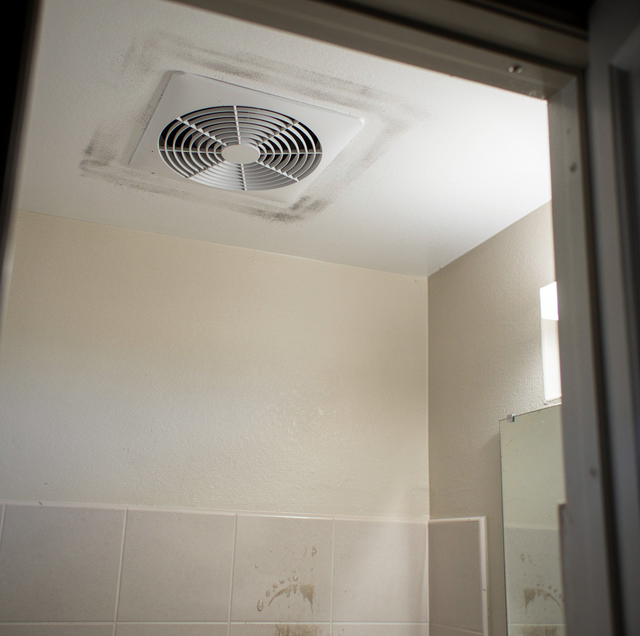
Why Your Bathroom Exhaust Fan Is So Loud, and What the Noise Means
Your bath fan has one volume, and it ends your argument with it. It goes on with the light, it drones through your shower, and it goes off the second that you are dry, which is the moment your room is at its wettest.
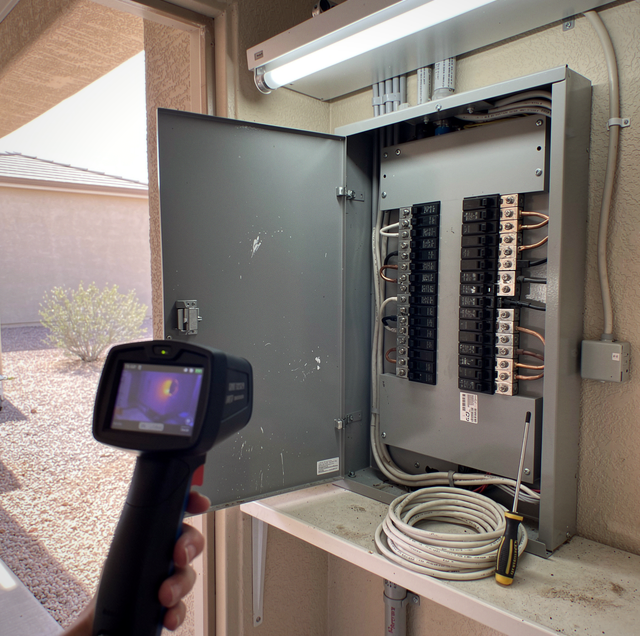
Panel Looks Fine? What an Infrared Scan Still Finds
A loose lug carrying a normal branch-circuit load can sit near 180 degrees Fahrenheit, close to the temperature rating printed on the conductor's own insulation, while the steel cover in front of your panel feels no warmer than the wall.
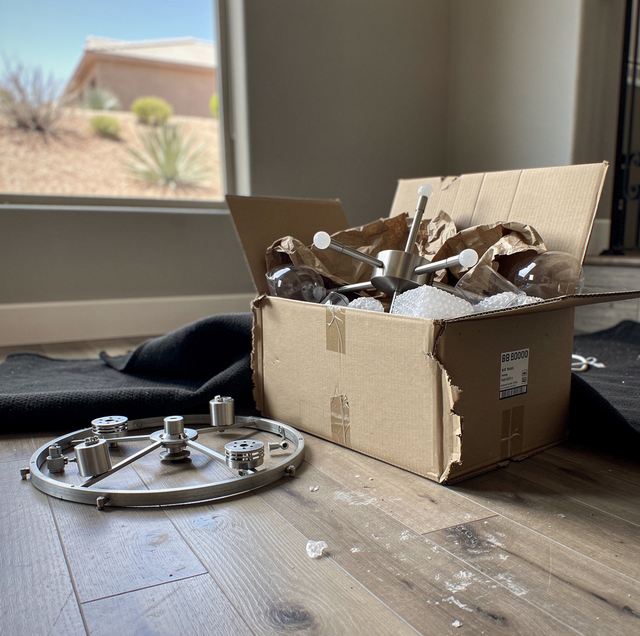
Replacing a Chandelier in a Two-Story Foyer, Step by Step
Your foyer chandelier hangs from one point in your ceiling, and that point carries every pound of it through a single box you have never seen.
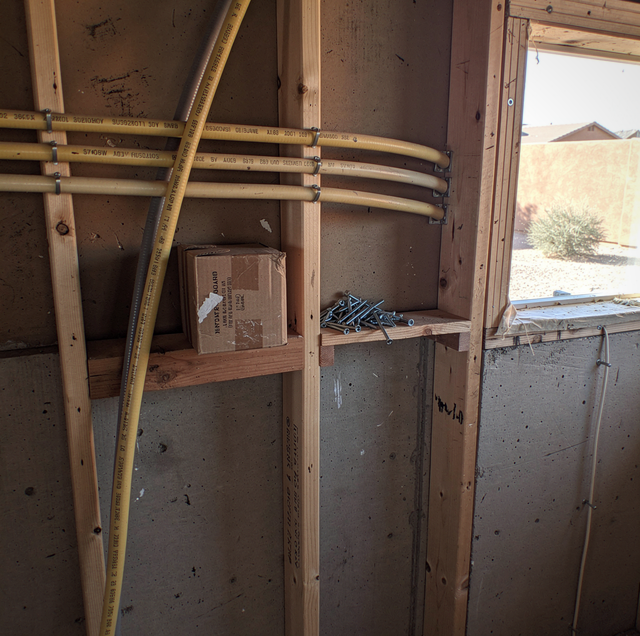
Does Your Home Need Rewiring? The Signs That Add Up
The evidence that a house needs rewiring is scattered, and thin wherever you find it.
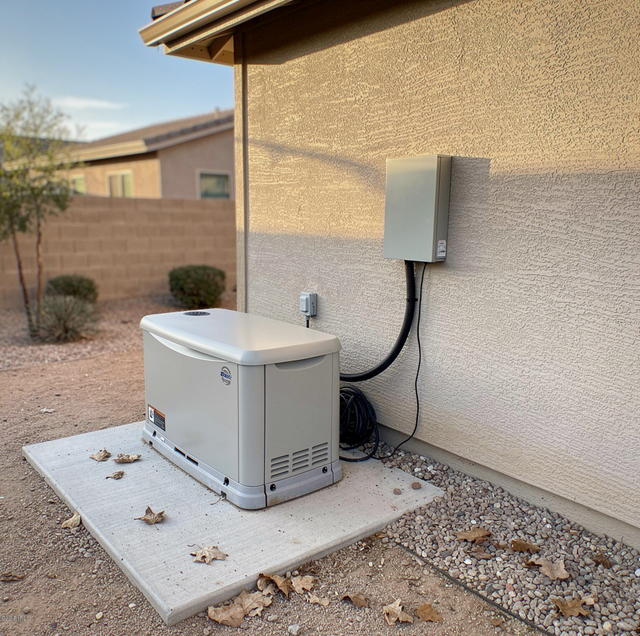
Standby vs. Portable Generator: Which Fits Your Home
Ask ten homeowners why they bought a generator and most will describe the same night: the power went out, and it stayed out long enough to matter.
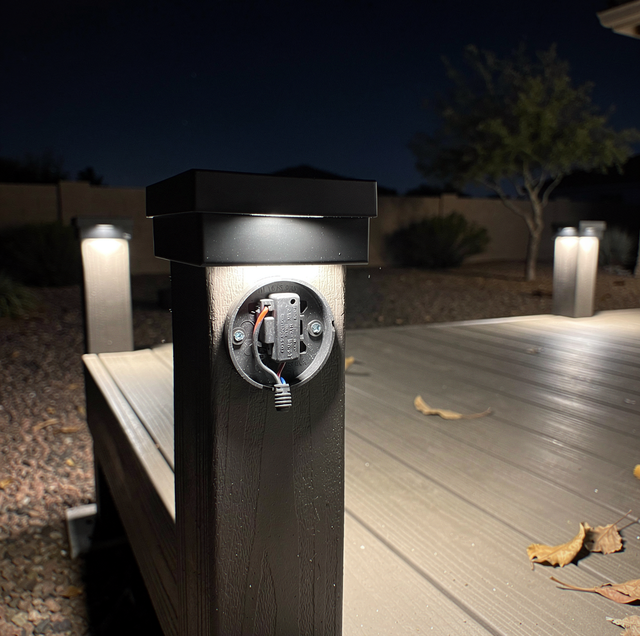
Outdoor Lighting Keeps Failing? Find the Real Cause
Outdoor lighting rarely fails all at once — it erodes. A dimming fixture in spring is a dead one by summer, and by the time a whole section of the yard sits unlit after the first heavy monsoon storm, most homeowners have already swapped bulbs that were never actually the problem.
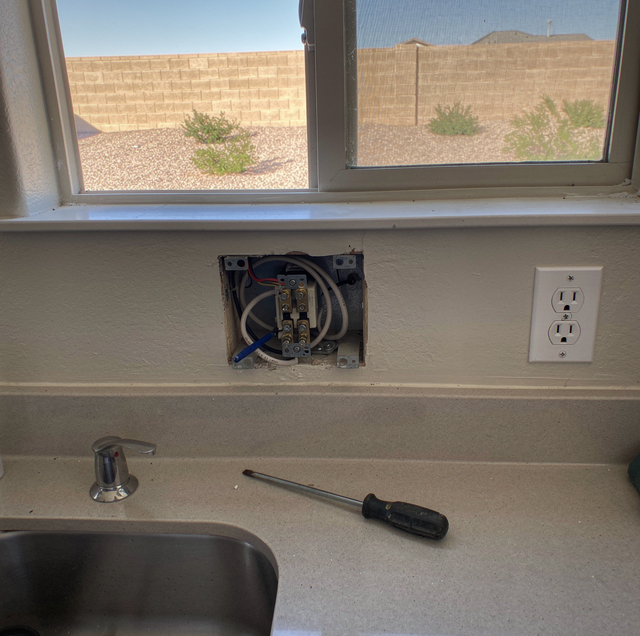
Multiple Outlets Dead at Once? What's Wired Together
A lamp, a phone charger, and a hallway nightlight all go dark within the same minute, in three spots that don't seem to have anything in common.
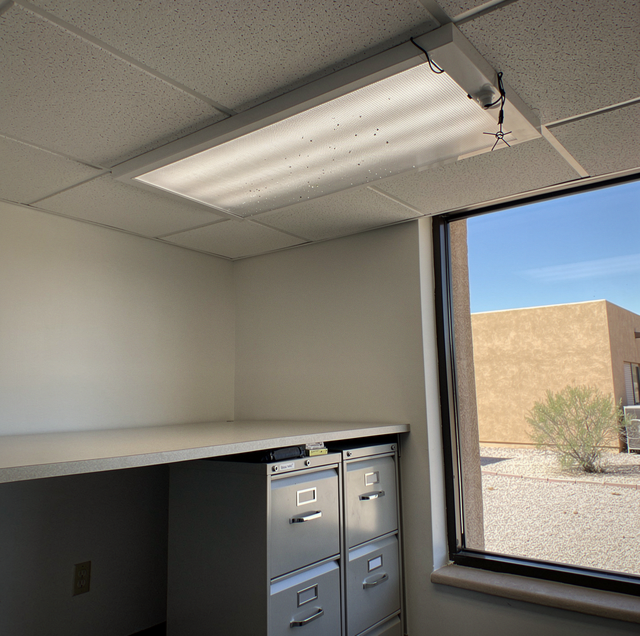
LED Retrofit vs. Fluorescent Replacement: What's Smarter
A back office hums faintly every time the lights are on, a sound nobody quite notices until the day it stops and the tube above the file cabinets flickers out for good.

Aluminum Wiring in an Older Home: What Can Be Fixed
Every few years, someone repeats the same line at a dinner party: aluminum wiring is a fire trap, and the only real fix is ripping out every wall and rewiring the whole house in copper.

Why Is My Outlet Warm or Discolored? A Fire Warning
A working outlet should feel the same temperature as the wall around it. When a receptacle turns warm to the touch, shows brown or yellow staining, or carries a scorch mark near the slots, something inside is generating heat that should not be there.
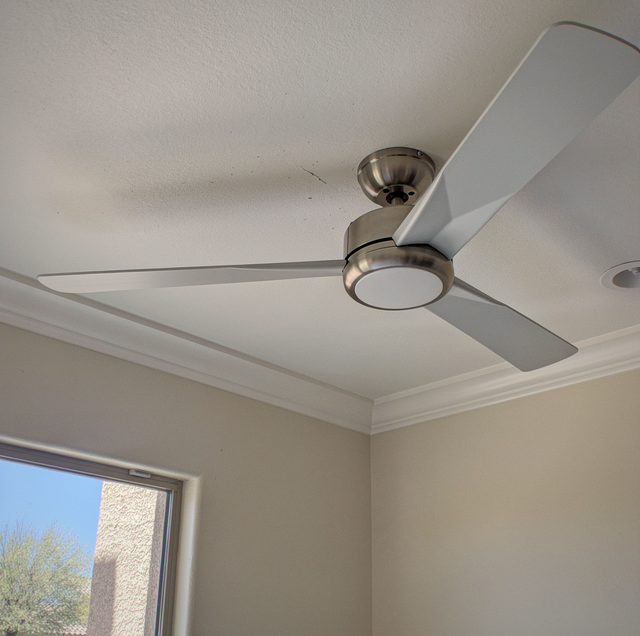
Ceiling Fan Wobble: The 7 Causes and the One Real Danger
A little movement at the tips of the blades is normal. A pronounced shimmy that rattles the light kit, makes the canopy tick against the ceiling, or shakes the whole fixture is not.

What Is a Dedicated Circuit? 14 Appliances That Need One
A dedicated circuit is a single run of wire and a single breaker that feed exactly one appliance or one outlet, with nothing else attached along the way.

What Happens During a Whole-Home Electrical Inspection
Most electrical failures don't announce themselves. A loose connection behind a panel cover can run warm for months, a missing ground can leave a metal appliance quietly energized, and a corroded neutral can dim your lights without ever tripping a breaker.

How a Breaker Panel Works: The 30-Second Version
Every outlet, light, and appliance in your home is fed by one gray metal box, usually tucked into a garage, hallway, or utility closet.
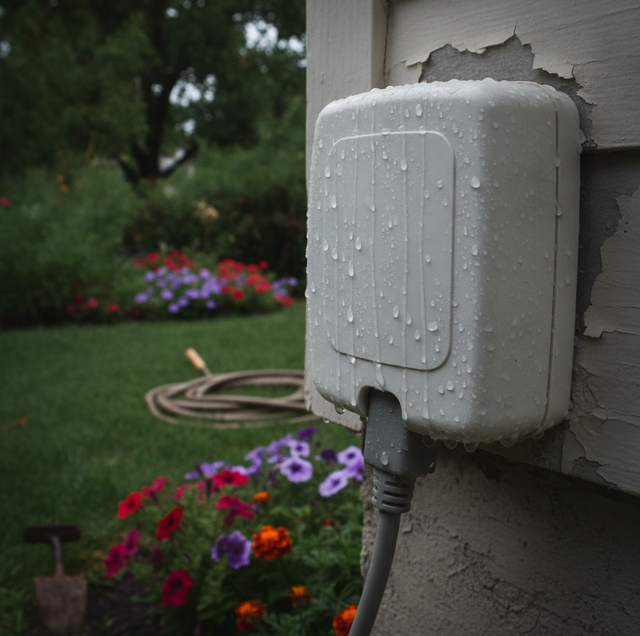
Why Your Outdoor GFCI Keeps Tripping (5 Real Causes)
You go to plug in the pressure washer, the string lights, or the pond pump, and the outlet is dead. You press the little button, it clicks back on, and an hour later, it trips again. An outdoor GFCI that keeps cutting power is one of the more frustrating problems around a house, partly because the outlet is usually doing its job. It is not broken for the sake of being annoying. It is reacting to something.
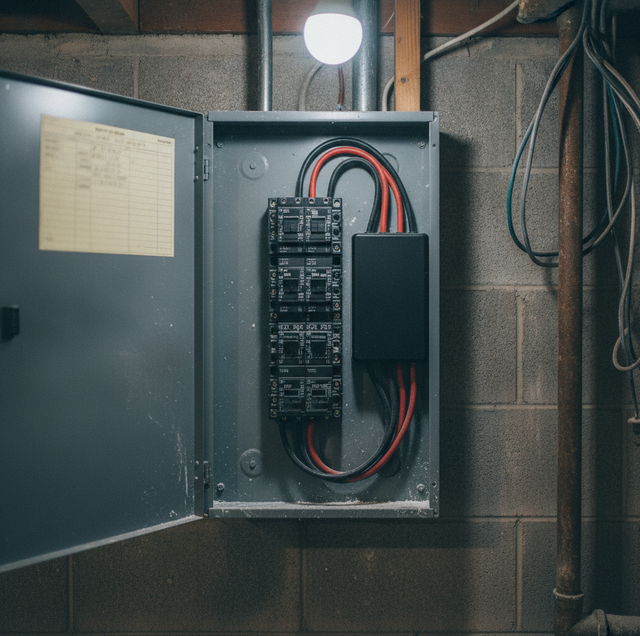
Whole-House Surge Protector vs Power Strips: What Actually Guards Your Electronics
A surge is a fast, brief jump in voltage. Your home runs on roughly 120 volts at the outlet, and a surge pushes that far higher for a fraction of a second. That spike does not always announce itself. Sometimes it fries a device outright. More often, it chips away at sensitive components over months, until a TV, a game console, or a computer power supply quits earlier than it should for no reason you can point to.

Level 1 vs. Level 2 EV Charging: Which Fits Your Drive
The new car sits in the garage, and the plug that came in the trunk reaches the outlet by the workbench. You plug in overnight, and by morning, the app says you gained about thirty miles. For a short commute, that is fine. But you start doing the math on a weekend road trip, and thirty miles a night suddenly feels thin. That gap (between what a wall outlet gives you and what you actually drive) is the whole Level 1 versus Level 2 decision.

AFCI vs. GFCI: What’s the Difference and Where Each Goes
AFCI and GFCI look alike on paper and sound nearly identical, but they guard against two very different dangers — one mainly shock, the other fire. Understanding what each does and where it belongs explains why a properly protected home uses both, and why you can't substitute one for the other.

Signs Your Electrical Panel Can’t Keep Up Anymore
Your electrical panel is the heart of your home's power system, quietly distributing electricity to every circuit. When it can no longer keep up with your household’s demands, it starts sending signals. Recognizing those warning signs early lets you address an overloaded or aging panel before it becomes a safety problem rather than just an inconvenience.

Breaker Keeps Tripping in Summer? What It Means
It's the hottest week of the year, the AC is running flat out, and the breaker snaps off — usually at the worst possible moment. A breaker doing that isn't being temperamental. It's doing its one job: cutting power before a circuit draws more current than its wiring can safely carry. The real question is why the demand is crossing that line, and in summer, there are a handful of usual reasons.