
Outdated to Outstanding: Why Retrofitting is a Game-Changer
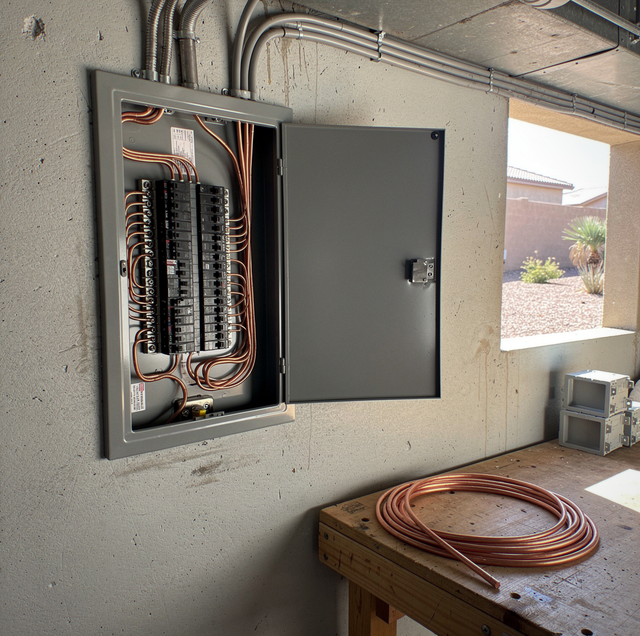
Homes built in earlier decades often come with a charm that modern structures can rarely replicate. However, the charm of older properties often hides outdated electrical systems that may not support today’s energy demands. Electrical retrofitting transforms these older systems, bringing properties into the future while maintaining their character. By upgrading wiring and electrical components, homes achieve both enhanced safety and functionality.
Understanding The Importance Of Electrical Retrofitting
Electrical retrofitting is not simply about replacing old wiring or adding new outlets; it is a comprehensive process aimed at improving the overall electrical infrastructure. Modern systems accommodate advanced appliances, smart home technology, and higher energy loads without compromising safety. Retrofitting addresses issues such as worn wiring, inadequate circuits, and obsolete panels, all of which can cause frequent power outages or pose fire hazards.
Qualified electricians assess the existing setup to identify potential risks and customized solutions for the property. A well-executed retrofitting project brings peace of mind, knowing the home is equipped to meet current and future energy requirements.
Addressing The Hazards Of Outdated Wiring
Older homes often rely on wiring materials and practices that no longer meet modern safety standards. Knob-and-tube wiring or aluminum wiring, common in properties built before the mid-20th century, presents significant safety risks. These systems are prone to wear, overheating, and other problems that can cause electrical fires.
Outdated systems also struggle to handle the energy demands of today’s homes, which often include high-powered appliances, entertainment systems, and multiple electronic devices. Overloaded circuits and frequently tripped breakers signal the need for an upgrade. Electrical retrofitting resolves these problems by installing durable, modern wiring that minimizes the risks of malfunctions.
The Value Of Professional Expertise
Electrical retrofitting requires specialized knowledge and skill, making the involvement of a professional electrician indispensable. Trained electricians perform detailed assessments to identify vulnerabilities and create custom solutions that line up with the property’s unique requirements. The process often involves replacing wiring, upgrading panels, and introducing safety features such as arc fault circuit interrupters and ground fault circuit interrupters.
Collaborating with experienced professionals guarantees that upgrades meet building codes and safety regulations. The result is a reliable electrical system capable of handling the demands of modern living.
Enhancing Efficiency Through Upgraded Systems
Energy efficiency is a major benefit of electrical retrofitting. Older systems tend to waste energy due to outdated technology and materials, leading to higher utility costs. Modern wiring and components reduce energy loss, making homes more eco-friendly and cost-effective to operate.
Upgraded electrical systems also support energy-efficient technologies such as LED lighting, smart thermostats, and advanced appliances. These improvements optimize energy use while maintaining the comfort and convenience of the home. By investing in retrofitting, homeowners contribute to a more sustainable future without sacrificing functionality.
Smart Home Technology And Electrical Retrofitting
The growing popularity of smart home technology underscores the importance of a reliable electrical infrastructure. Devices with smart features such as thermostats, security systems, and automated lighting rely on a stable and efficient electrical setup. Retrofitting prepares homes to support these technologies, providing seamless integration and enhanced performance.
Electricians often design systems that anticipate future technological advancements, guaranteeing that properties remain adaptable to new innovations. By upgrading wiring and circuits, retrofitting creates a foundation for integrating renewable energy sources like solar panels, further enhancing the home’s sustainability.
Retrofitting For Historical Properties
Historical homes present unique challenges when it comes to electrical upgrades. Preserving the architectural integrity of such properties often requires specialized techniques. Electricians work carefully to install modern wiring and components without disrupting the character of the home.
Hidden wiring, minimally invasive installations, and other customized solutions allow historical properties to meet modern safety and efficiency standards. Retrofitting guarantees that these homes maintain their charm while providing the functionality and safety required for contemporary living.
The Impact On Property Value
Electrical retrofitting significantly enhances the value of a property. Modernized systems appeal to potential buyers who prioritize safety, efficiency, and compatibility with modern technologies. Upgraded wiring reduces maintenance concerns and supports energy-efficient appliances, making properties more attractive in a competitive real estate market.
Homes equipped with updated electrical systems also enjoy increased reliability, which translates into fewer disruptions and a more consistent energy supply. For property owners, retrofitting represents a long-term investment that pays dividends in both comfort and resale value.
Preparing For The Future
As energy demands continue to evolve, homes require electrical systems capable of adapting to new challenges. Retrofitting provides the flexibility needed to accommodate emerging technologies, such as electric vehicle chargers and advanced home automation. By upgrading wiring and panels, properties remain functional and efficient in the face of changing energy needs.
Trusting professional electricians to perform retrofitting work lays the groundwork for a future-ready home. With the right expertise, even the oldest properties can become outstanding examples of modern functionality. Retrofitting bridges the gap between past and present, transforming homes into spaces that meet the demands of today and the possibilities of tomorrow.
RSB Electrical is a leading electrical contractor serving Mesa, AZ, providing comprehensive commercial and residential electrical services. We have experienced and licensed electricians to ensure safe and efficient functioning of your electrical systems. From simple upgrades to service and maintenance, we do it all. Call today to learn more.
