
Ceiling Fan Replacement That Stops That Annoying Wobble
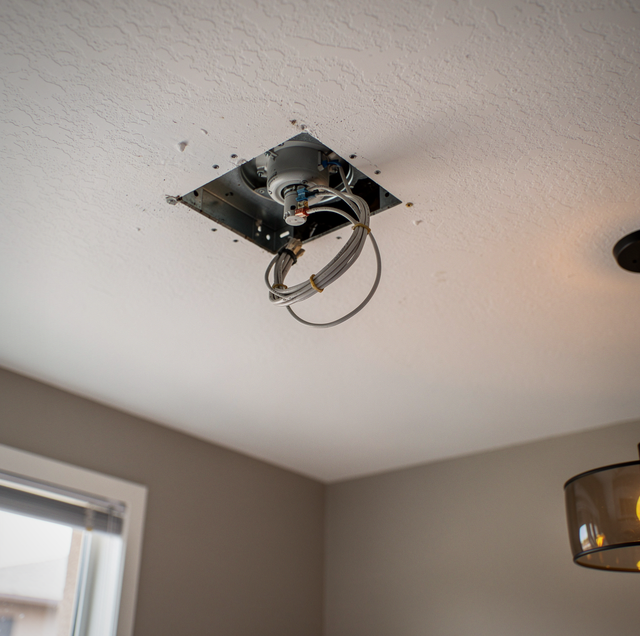
You finally swap the old fan out, flip the switch, and now it hums, wobbles, or barely moves air, as you expected. That moment where you’re standing under it thinking, “Why does this feel worse than before?” is usually tied to wiring mistakes that don’t show up until the fan is already installed.
A lot of homeowners jump into a ceiling fan replacement thinking it’s a simple swap, but wiring is where things quietly go wrong. I’ve walked into plenty of homes where the fan “works,” but the room still feels stuffy, the pull chain acts weird, or the lights flicker just enough to drive you crazy at night. That kind of daily annoyance builds fast, especially in bedrooms and living rooms where airflow actually matters.
When the wiring looks right, but the room still feels off.
Ceiling fan replacement is not just about matching colored wires and calling it done. Electrical boxes, support brackets, and circuit configurations all play a role in how the fan performs once it’s spinning above your head. Homeowners often assume that if the fan turns on, everything must be correct, but airflow issues and noise problems usually trace back to what is happening inside that ceiling box.
A common situation is when an older home has a light fixture box that was never designed to support the weight or motion of a fan. You can mount a fan to it, and it might hold for a while, but over time, the movement causes subtle shifting. That leads to wobble, uneven airflow, and even noise that sounds like a loose part. People tend to blame the fan itself when, in reality, the wiring and mounting setup underneath it are working against it every time it spins.
Another overlooked factor is how the fan is wired to switches. Many homeowners want separate control for the fan and the light, but don’t realize the existing wiring might not support that setup. So they improvise. That’s when you start seeing odd behavior like lights dimming when the fan speed changes or switches that don’t respond the way they should. It’s not just inconvenient. It’s a sign the system isn’t configured properly.
Why “It Worked Before” Doesn’t Mean It’s Wired Correctly
One of the most common things I hear is, “The old fan worked fine, so I just wired the new one the same way.” That assumption causes more problems than people expect. Older fans were often simpler, with fewer features and lower power demands. Modern ceiling fan replacement units come with remote controls, variable speeds, integrated lighting systems, and different wiring requirements.
What worked for a basic fan ten or fifteen years ago might not be compatible with a newer model. Even if the connections look similar, the fan's internal components can react differently to the same wiring setup. That mismatch can lead to poor performance, shortened lifespan, or strange behavior that shows up weeks after installation.
There’s also the issue of hidden wear in older wiring. Insulation can degrade, connections can loosen, and circuits may not be as stable as they once were. When a new fan is installed onto that older wiring without checking its condition, the result can be inconsistent power delivery. That’s when you start noticing the fan slowing down randomly or not maintaining a steady speed. It’s frustrating because it feels unpredictable, and most homeowners don’t connect that back to the wiring behind the ceiling.
The Shortcut That Turns Into A Long-Term Headache
Most ceiling fan replacement problems stem from prioritizing quick fixes over doing the job correctly—such as using unsuitable wiring or skipping proper support.
Those shortcuts might get the fan running, but they often manifest later as noise, imbalance, or control issues. One homeowner I worked with had a fan that clicked every time it changed speed. It turned out the wiring setup was forcing the fan’s internal components to compensate for inconsistent power. Fixing it meant going back into the ceiling, upgrading the box, and correcting the wiring. Something that could have been done right the first time turned out to be more disruptive and expensive.
Another common shortcut is relying entirely on a remote control system when the wiring isn’t properly configured for it. Remotes can mask wiring issues for a while, but they don’t solve them. Over time, you might notice delays, missed commands, or a fan that doesn’t respond consistently. That kind of daily inconvenience adds up, especially in rooms you use all the time.
Why Ceiling Fan Replacement Feels Simple But Isn’t
A lot of homeowners search for something like “why does my new ceiling fan barely move air?” or “why is my ceiling fan making noise after installation?” Those questions usually come from the same place. The assumption that replacing a fan is just a quick hardware swap, without considering the electrical side.
Ceiling fan replacement involves more than connecting wires. It includes verifying that the electrical box is rated for a fan, confirming the circuit can handle the load, and ensuring the wiring configuration matches how you want to control the fan and light. Missing any one of those steps can lead to performance issues that don’t show up immediately but become noticeable over time.
Airflow itself is another misunderstood part of the process. If the fan isn’t wired correctly, it might not reach its intended speed, even if it appears to be running normally. That leads to rooms that still feel warm or stagnant, especially during the summer when airflow makes a noticeable difference in comfort. Homeowners often assume the fan is defective when, in reality, it’s not getting the power or control it needs to perform properly.
There’s also the issue of direction and control. Modern fans often include reverse functions and multiple speed settings. If the wiring doesn’t support the control system correctly, those features may not work as intended. That leaves you with a fan that feels limited, even though it’s capable of more.
What Proper Wiring Actually Fixes In Everyday Use
When ceiling fan replacement wiring is done correctly, the difference is noticeable right away. The fan runs smoothly without wobble, responds instantly to controls, and moves air in a way that actually changes how the room feels. You stop thinking about the fan because it’s doing its job without drawing attention to itself.
Proper wiring also reduces wear on the fan’s internal components. When power is delivered consistently and the system is configured correctly, the motor doesn’t have to compensate for irregularities. That means fewer noises, fewer performance issues, and a longer lifespan overall. It’s one of those things you don’t notice day to day, but it makes a big difference over the years.
Lighting is another area where correct wiring matters. Many ceiling fans include integrated lighting that requires a stable power supply. When the wiring is off, you might see flickering, delayed response, or uneven brightness. Fixing the wiring stabilizes it, making the lighting feel reliable rather than unpredictable.
RSB Electrical often works with homeowners who are frustrated because their new fan doesn’t feel like an upgrade. Once the wiring is corrected and the setup matches the fan’s design, the difference is immediate. The room feels more comfortable, the controls make sense, and the fan operates the way it was meant to.
“Why Is My Ceiling Fan Wobbling After Replacement?”
That’s one of the most common questions homeowners type into a search bar, and the answer is rarely just about the blades. Wobbling often starts with how the fan is mounted and wired. If the electrical box isn’t secure or rated for a fan, even a perfectly balanced fan can develop movement over time.
Wiring plays a role here because it affects how the motor operates. Inconsistent power can cause uneven rotation, which contributes to wobble. It’s not always obvious because the fan still spins, but the motion isn’t as stable as it should be. That instability can get worse over time, leading to more noticeable movement and even noise.
Balancing kits and blade adjustments can help, but they don’t fix the underlying issue if the wiring or mounting is incorrect. Addressing the root cause usually involves checking the box, verifying the connections, and making sure the entire setup is designed to support a ceiling fan, not just a light fixture.
“Why Does My New Ceiling Fan Make Noise?”
Another common search is about noise after ceiling fan replacement. Homeowners expect a new fan to be quiet, so any clicking, humming, or buzzing stands out immediately. Noise often points back to wiring or electrical configuration issues rather than a defect in the fan itself.
When wiring isn’t correct, the motor may receive uneven power, which creates subtle vibrations or sounds that become noticeable in quiet rooms. Bedrooms are where this shows up the most. You’re lying there at night, and that faint hum or click becomes impossible to ignore. It’s a small issue that turns into a big annoyance because it affects your ability to relax or sleep.
Correct wiring eliminates those inconsistencies, allowing the motor to run smoothly. It also prevents the fan from working harder than necessary, reducing wear and noise over time. What feels like a minor wiring detail can have a big impact on how the fan sounds every single day.
Trust RSB Electrical for residential and commercial electrical services in Mesa, AZ. We boast a team of licensed electricians to cater to all your electrical needs, including maintenance, installation, and upgrades. We also install electric car chargers for all major vehicle brands. Call us today for any electrical installation or repair needs.
