
When the Breeze Stops: Troubleshooting and Wiring for Ceiling Fan Repairs
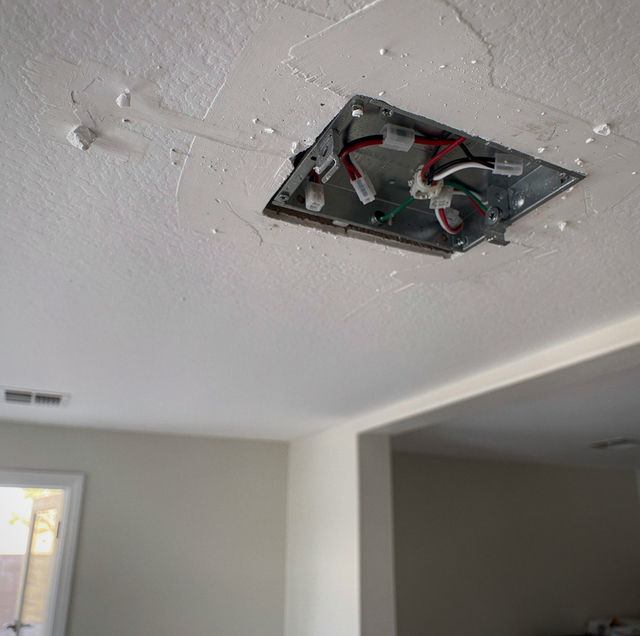
You turn it on expecting relief, only to get a weak spin, a ticking noise, or air that barely moves. Now you’re standing there wondering why the room still feels stuffy even though the fan is “working.”
That moment usually pushes homeowners to seek ceiling fan repair, but the frustration rarely stems from a single, obvious failure. Most of the time, it’s a mix of wiring issues, worn components, or outdated setups that slowly stopped doing their job. What makes it worse is how subtle the problem can be at first. A little noise here, a slight wobble there, then suddenly the fan becomes something you notice every single day for all the wrong reasons.
When A Working Fan Still Feels Useless
A ceiling fan can technically run and still fail at what you actually need it to do. That’s one of the biggest sources of homeowners' frustration. You flip the switch, the blades spin, and yet the room feels just as warm and stagnant as before. At that point, it doesn’t feel like a broken appliance. It feels like a waste of space hanging from your ceiling.
That kind of problem often ties back to electrical performance rather than just the fan itself. Ceiling fan repair is not always about replacing parts. Wiring plays a huge role in how the motor operates and how much airflow you actually get. If the fan isn’t receiving consistent power or the wiring setup limits its speed, it can’t perform as designed. Homeowners often assume the fan is just old or low-quality when, in reality, it’s being held back by what’s behind the ceiling.
Another thing that shows up in real homes is how airflow problems get blamed on room layout or insulation. People start rearranging furniture or adjusting thermostats when the actual issue is sitting right above them. A properly functioning fan should create noticeable air movement. When it doesn’t, something deeper is usually off, and wiring is one of the first places I check when diagnosing ceiling fan repair issues.
The Hidden Wiring Problems Most People Never See
A lot of homeowners search for something like “why does my ceiling fan slow down randomly?” or “why does my fan only work on one speed?” Those are classic signs that the wiring or electrical system is not functioning properly. The tricky part is that nothing looks obviously broken from the outside.
Inside the ceiling, you might have loose connections, aging wires, or a setup that was never designed for the type of fan installed. Over time, those small issues start affecting performance. The fan may struggle to maintain speed, respond slowly to control inputs, or behave differently depending on the setting you use. That inconsistency is what makes it frustrating because it feels unpredictable.
Ceiling fan repair often involves tracing those hidden issues rather than swapping out visible parts. A homeowner might replace a capacitor or even the entire fan, only to find the same problems still there. That’s because the root cause was never addressed. Electrical systems age just like any other part of the home, and when a fan is connected to outdated or compromised wiring, it’s going to reflect those limitations every time it runs.
There’s also the issue of improper connections made during past installations. I’ve seen fans wired in ways that technically work but don’t follow proper configurations. That leads to odd behavior, like lights dimming when the fan speed changes or controls that don’t work as intended. Those problems don’t just fix themselves, and they tend to get worse over time.
The Common Mistake: Treating Ceiling Fan Repair Like A Quick Swap
One of the biggest mistakes homeowners make is assuming ceiling fan repair is just a matter of replacing the fan or a single component. That mindset stems from the fixture's simple appearance. It’s hanging there, spinning, so it feels like a straightforward device. In reality, it’s part of a larger electrical system that needs to be working correctly as a whole.
When someone replaces a fan without checking the wiring, they’re often carrying the same problem into a new unit. That’s why you hear people say, “I just put in a new fan, and it’s still doing the same thing.” The issue was never the fan itself. It was the setup behind it.
There’s also a tendency to rely on what worked before. If the old fan had a certain wiring configuration, homeowners assume the new one should be connected the same way. That’s not always true, especially with newer models that have different features like remote controls or integrated lighting systems. Using an outdated wiring approach with a modern fan can limit its performance or create new issues entirely.
Another shortcut that causes long-term headaches is skipping proper support and box upgrades. A fan needs a stable, fan-rated box to operate correctly. If it’s mounted to something not designed for that purpose, you can end up with wobble, noise, and even safety concerns. That’s not something you notice immediately, but over time it becomes impossible to ignore.
Why Ceiling Fan Repair Gets Worse Over Time
A lot of homeowners ask, “Why is my ceiling fan getting louder?” or “Why does my fan wobble more now than before?” Those are signs that the problem isn’t staying the same. It’s getting worse with use. Electrical issues and mechanical wear tend to build on each other.
When wiring problems cause inconsistent power, the motor has to work harder to maintain operation. That extra strain leads to increased wear on internal components, which in turn creates more noise and instability. It becomes a cycle where one issue feeds into another. What started as a minor annoyance has become a daily frustration that affects your home's comfort.
Seasonal changes also play a role. During warmer months, fans get used more frequently and for longer periods. That increased use brings existing problems to the surface faster. A fan that seemed fine during cooler weather suddenly struggles to keep up, and that’s when homeowners start noticing every little flaw.
Ignoring those early signs usually leads to more extensive ceiling fan repair later. A loose connection might seem minor at first, but over time it can lead to overheating or further electrical issues. Addressing the problem early keeps it from getting bigger, but that requires understanding what’s actually causing it in the first place.
What Proper Ceiling Fan Repair Actually Changes
When ceiling fan repair is done correctly, the difference is immediate and noticeable. The fan runs smoothly, responds to controls without delay, and creates airflow that actually improves comfort in the room. You stop noticing the fan as a problem and start benefiting from what it’s supposed to do.
Correcting wiring issues stabilizes the entire system. The motor receives consistent power, which reduces strain and noise. That alone can transform how the fan sounds and feels during operation. Instead of a hum or click that draws your attention, you get a steady, quiet performance that blends into the background.
Lighting also improves when wiring is properly addressed. Flickering or delayed response disappears, and the light functions as expected. That’s something homeowners often don’t connect to ceiling fan repair, but it’s a big part of the overall experience.
RSB Electrical regularly works with homeowners who are frustrated because their fans don’t seem to be doing anything useful. Once the underlying issues are fixed, the change is obvious. The room feels cooler, the fan runs quietly, and the controls work as they should. It turns something that was a daily annoyance into a feature that actually adds comfort.
Frequently Asked Questions
That’s one of the most common questions people type when dealing with ceiling fan repair. Noise is usually the first thing that gets noticed because it interrupts quiet moments in the home. A humming or clicking fan can make it hard to relax, especially in bedrooms or living areas where you spend a lot of time.
Another common search is about fans that only run at one speed or don’t respond properly to controls. That problem usually points to wiring or control system issues rather than the fan motor itself. It can happen when the wiring doesn’t support multiple speed settings or when connections are not configured correctly.
Homeowners often think the fan is broken, but in many cases, it’s a matter of how the system is wired. Correcting those connections restores full functionality, allowing the fan to operate at different speeds as intended. That makes a big difference in comfort because you can adjust airflow based on your needs instead of being stuck with one setting.
RSB Electrical is a leading electrical contractor serving Mesa, AZ, providing comprehensive commercial and residential electrical services. We have experienced and licensed electricians to ensure safe and efficient functioning of your electrical systems. From simple upgrades to service and maintenance, we do it all. Call today to learn more.
