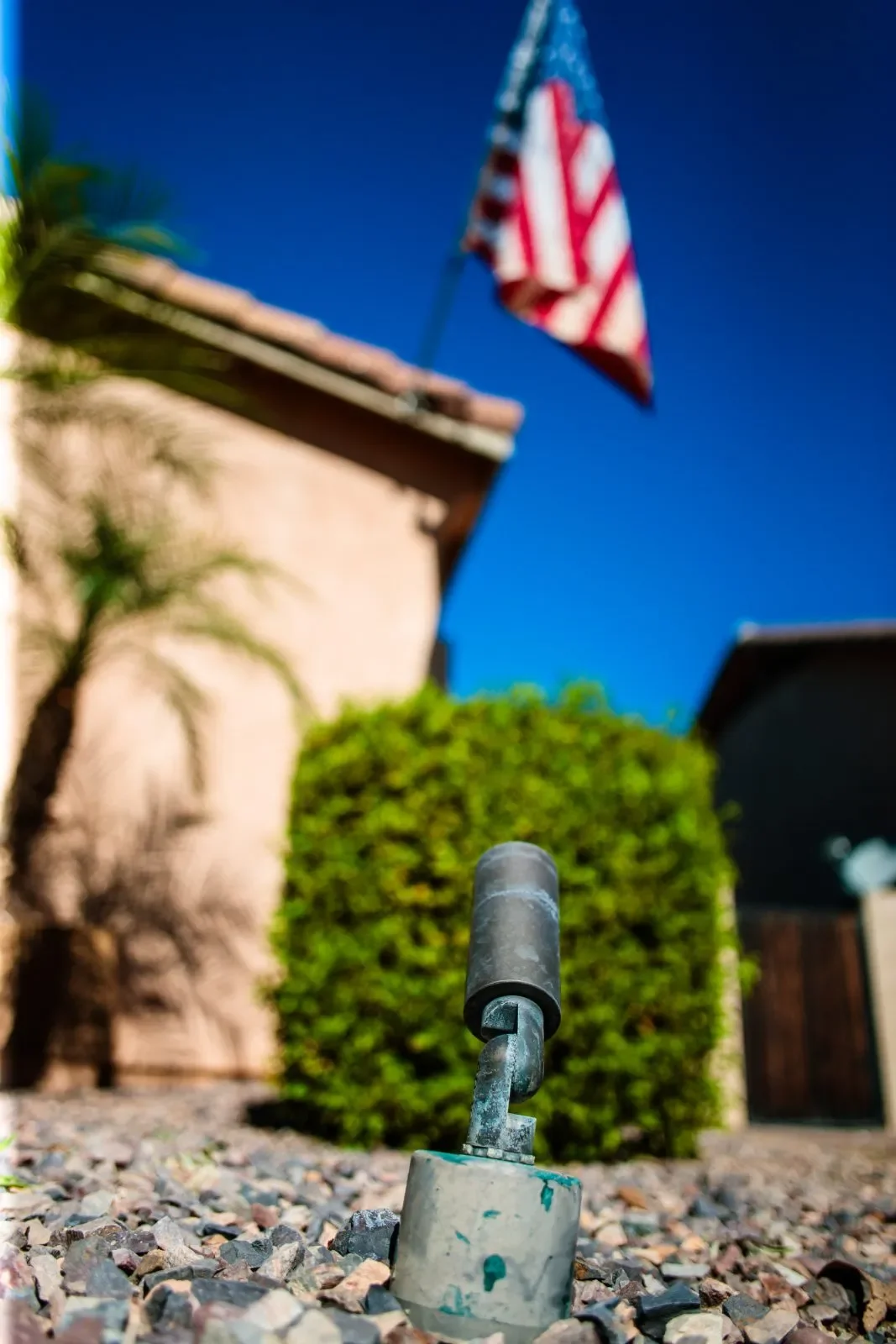
The good news is that security, curb appeal, and backyard living are the same project done well. The camera light that guards the gate also flatters the entry. The low-voltage runs that make the yard usable at 9 p.m. in July also erase the hiding spots. Our approach comes down to two words from the owner himself: experience and product selection. We design from decades of Valley installs, and we install fixtures that survive this climate instead of the box-store solar stakes that die by Labor Day.
Porch lights, pathway runs, camera lights, patio scenes, and permanent holiday accent lighting: one crew, one written quote, and a yard that finally works after dark.
Why Valley Yards Get Lit by RSB
Outdoor Lighting Work, In Customers’ Own Words
Public Google reviews from real RSB customers, quoted as written.
RSB vs. the alternatives, outdoors
Outdoor Lighting Expertise: The Craft Behind Yards That Stay Lit
The craft behind yards that stay lit.
Line voltage and low voltage, each in its lane
Porch fixtures, camera lights, and motion floods live on line voltage: house circuits, proper boxes, GFCI protection where exposure demands it. Path, tree, and accent lighting live at low voltage: safer near irrigation, gentler to install, endlessly adjustable. Most good yards use both, and knowing which tool serves which job is the first design decision.
Transformer sizing is where DIY systems die
Every low-voltage system lives or dies at its transformer: capacity for the real fixture load, headroom for the zone you will add next year, and taps that manage voltage drop on long runs. The far fixture glowing dimmer than the near one is the classic symptom of a kit transformer doing a designed system’s job, and it is one of our most common rescues.
Voltage drop, the invisible designer
Low-voltage current fades over distance, and a run planned on hope delivers dim, uneven light. We size wire gauges and split runs so the last fixture burns as true as the first, which is the quiet difference between a system that photographs well and one that actually is well.
Why the solar stakes keep disappointing you
Tiny panels, small batteries, and Arizona dust are a losing combination: a season of glare-free charging followed by a winter of dim flickers. We say it gently and honestly: solar stakes are decor with a lifespan, not lighting. Where wiring truly cannot reach, we will say that too, and design around it rather than pretend.
Camera lights, wired like they matter
A camera light doing security duty needs what a doorbell battery cannot give: reliable power, solid mounting, and placement that covers the approach instead of the doormat. We wire and place them properly, and we are equally plain about the boundary: recording systems and monitoring belong to security companies; the power, mounting, and lighting belong to us.
Connections that outlive the monsoon
Outdoor failures concentrate at connections, so ours get the full treatment: waterproof connectors rated for burial, drip loops, boxes that drain, and GFCI protection arranged so one wet fixture does not black out the whole yard. The blog-classic causes of outdoor lighting failure, moisture, rodents, and landscaping accidents, are all answered at installation time.
The aim is the final craft
The same fixtures can flatter a house or blind its guests, and the difference is the nighttime aim: angles tuned, shields set, motion zones walked, glare hunted down from the street and the patio both. It is the step kit installers skip because it happens after dark, and it is the step that makes the whole system look designed.
Outdoor Lighting Questions, Answered Straight
1.What do you actually recommend for security?
Camera lights at the approaches, motion where surprise matters, dusk-to-dawn where steady presence matters, and placement that erases the dark corners. That combination, aimed properly, is the best security value in the yard.
2.Are the box-store solar stakes worth it?
Honestly, as decor, briefly. As lighting, no: dust, small batteries, and Arizona sun age them fast, and they were never bright enough for security or safety. Low-voltage wired lighting costs more upfront but lasts for years.
3.How long do outdoor fixtures last here?
Quality fixtures, properly installed, last many years, and the owner’s own advice doubles their odds: proper maintenance, starting with simple cleaning after dust storms, gives all your exterior lighting extra life. Bargain fixtures last until their first real summer.
4.Can I install low-voltage lighting myself?
Plenty of homeowners try, and we meet their systems a few years later: kit transformers overloaded, run dim at the far end, connections corroded under the gravel. Low voltage is forgiving of touch, not of design. If you enjoy the project, we will happily fix the transformer sizing when you are ready.
5.What is permanent holiday lighting?
Discreet track-style accent lighting mounted along the roofline, controlled from an app: warm white eleven months a year if you like, full color for December, team colors for game day, no ladders ever again. We install the wiring and system properly, and it is one of the most-requested upgrades in the Valley right now.
6.Motion sensor or dusk-to-dawn: which should I choose?
Both, in different roles. Motion startles and announces at the choke points; dusk-to-dawn provides the steady baseline that removes hiding places. Timers and photocells need setting for real Arizona dusk, which drifts by hours across the year, and we tune them as part of every install.
7.Do you install security cameras too?
We wire and install camera lights, and we run reliable power to camera locations. Full CCTV and monitored security systems are a security company’s lane, not ours, and we say so plainly; what we make sure of is that whatever watches your home never dies of weak power.
8.My outdoor lights trip the GFCI every time it rains. Why?
Water is reaching a connection or fixture that the design should have protected. The GFCI is doing its job; the installation is not. We find the wet point, rebuild the connection properly, and the rain goes back to being weather instead of an outage.
9.What drives the price of a project?
The plain answer: the cost of brands, and the difficulty of getting lights to certain locations. Fixture count, transformer scope, and controls fill out the picture, and all of it arrives as one written quote.
10.Will outdoor lighting attract more bugs?
Less than you fear, if it is specified correctly. Insects chase cooler, bluer light far more than warm light, so we lean warm on patios and entries, keep fixtures away from seating where we can, and put the brightness where security needs it instead of where moths want it. It is one more reason product selection beats grabbing whatever is brightest.
11.What is the warranty?
One year on labor and materials from completion, invoice as proof. Fixture hardware also carries its manufacturer’s warranty, and we install brands whose warranties mean something.