
What You Get From the Electrical Side
Cooling Circuits, Disconnects and Whips We Work On
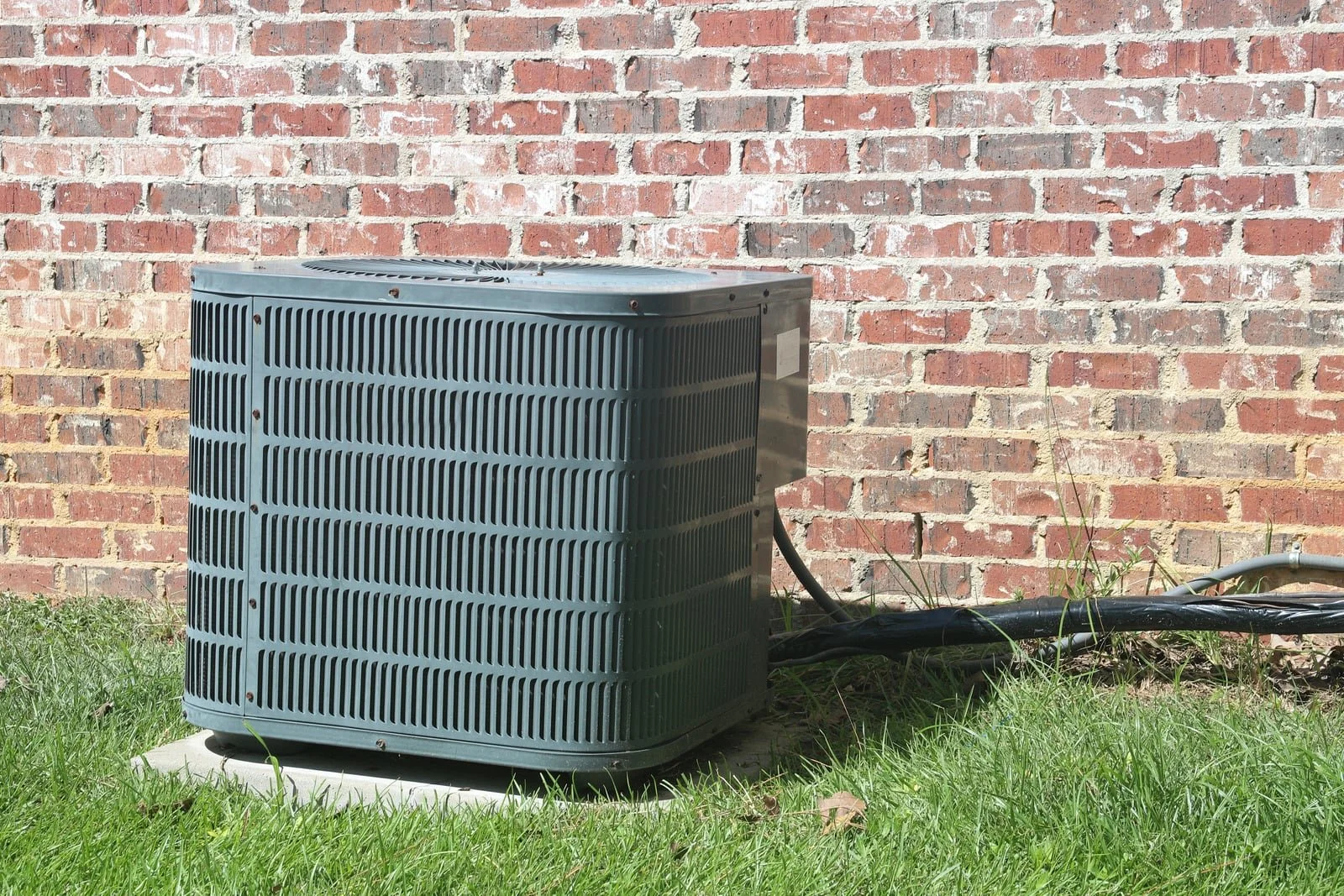
At the condenser
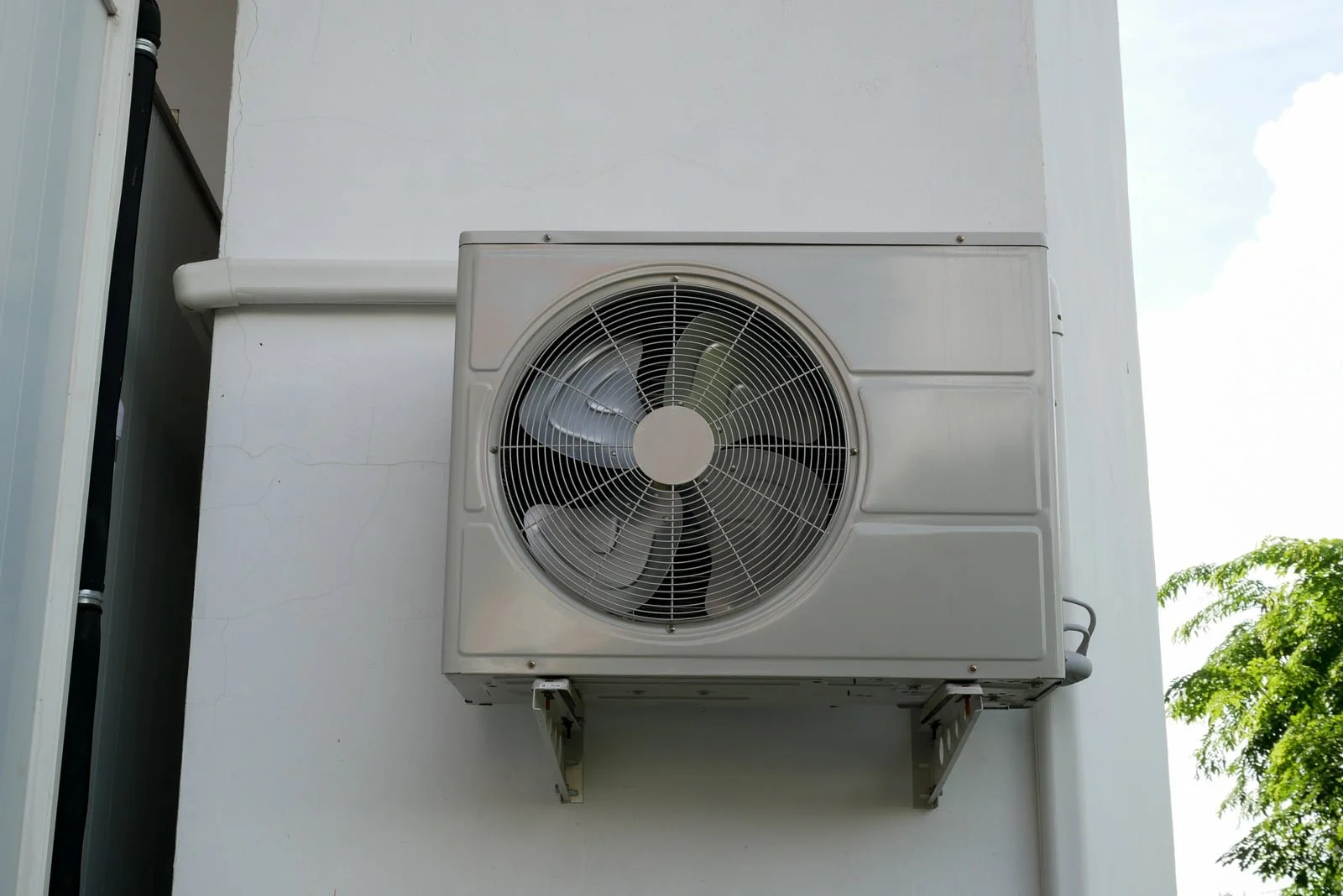
Mini-splits and rooms with no ductwork
Rooftop and manufactured-home equipment
Cooling Electrical in Mesa and the East Valley: Two Local Realities
The Arizona room, and other spaces the ducting never reached
The Arizona room is a genuinely regional building type: the glassed-in porch on the back of a Valley house that was lovely in February and unusable from May to October. Many have been turned into year-round rooms, along with garages that became offices and bedrooms. What they all have in common is that the original ducting was never run to them and extending it is usually a worse project than the one you started with. So they get mini-splits instead, which is an electrical job as much as a cooling one. The part people reach last is whether the panel can actually carry it, and that question has a definite answer. It is worth getting before the equipment is ordered, not after it is in the driveway.
Flat roofs, and the equipment that ends up on them
Low-slope and flat roofs are common on Valley houses, and where they are the cooling equipment frequently sits up on the roof as a single packaged unit rather than splitting between a condenser outside and an air handler indoors. That changes this work in three practical ways. The disconnect and the circuit are on the roof, which means conduit routed and supported where it will take direct sun and monsoon wind for its whole life. Access means a ladder and a roof, so the work takes longer and has to be planned around the surface it sits on. And a failure up there is invisible from the ground, so the first symptom is usually the unit simply not starting. We work on rooftop equipment routinely, and and April is a far better month for it than July.
Every Repair Starts With the Same Two Questions
Which utility serves the address, and whether the service runs overhead or underground. Get those right and the rest of the job follows.
What an Electrician Is Actually Deciding on a Cooling Job
A more efficient unit can need a larger breaker, which surprises everybody
The intuition is that a higher-efficiency air conditioner draws less and therefore needs less protection. The running current usually is lower. The protection requirement often is not, because modern inverter and variable-speed equipment behaves differently at startup and under modulation than the single-speed machine it replaced, and the manufacturer sets the overcurrent limit accordingly. Those limits are printed on the equipment, they belong to that specific model, and they are routinely different from what the old unit asked for. This is why we ask for the model number of the unit going in. It is also why a replacement that was quoted as a straight swap sometimes turns out to need a circuit change, and finding that out before install day costs a phone call.
The three things that stop an install day
The electrical hold-up is nearly always one of three. The circuit is wrong for the new equipment, meaning the conductor size or the breaker does not match what the plate requires. The disconnect is wrong, usually an old fused pull-out that is corroded, undersized or simply not what the installer can legally land on. Or the panel is out of capacity, which is the one that cannot be solved in an afternoon. That becomes a panel conversation rather than a cooling one, and it is covered on our electrical panel upgrades page. All three are knowable from the model number and a look in the panel, weeks ahead. The reason we keep saying that is not salesmanship: a replacement delayed on install day costs you a second visit from two trades, and it is among the most avoidable costs in this work.
Common Questions About AC Electrical
1.Do you repair air conditioners?
No. We run power to them. If your unit has power and still is not cooling, the fault is inside the equipment and you want an HVAC company. We will say so on the phone.
2.My AC stopped. How do I know whether it is electrical or the unit?
The quickest tell is whether anything is getting power at all. A tripped breaker, a dead disconnect, or an outdoor unit showing no sign of life points our way. A unit that hums, starts and runs but does not cool points theirs. Describe it to us and you will get a straight answer, at no charge. If you have no power at all in an Arizona summer, treat it as urgent and use our emergency line.
3.My HVAC company says the electrical has to be done before they install. What does that mean?
One of three things: a circuit that does not match the new equipment, a disconnect that is not what the installer can land on, or a panel with no capacity left. Send us the model number of the unit going in and you will get the answer in writing, scheduled around their install date.
4.Can you run a circuit for a mini-split?
Yes, single head or multi-head. The outdoor unit needs a correctly sized circuit and a disconnect, and on most multi-head systems the indoor heads are fed from that outdoor unit rather than wired individually. We place the disconnect where your installer needs it. We do not install, charge or service the equipment itself.
Have the Model Number? That Is All We Need to Start.
Send it over, or call and read it to us. Estimates are free, the written quote follows the next day, and that number stands for 30 days.