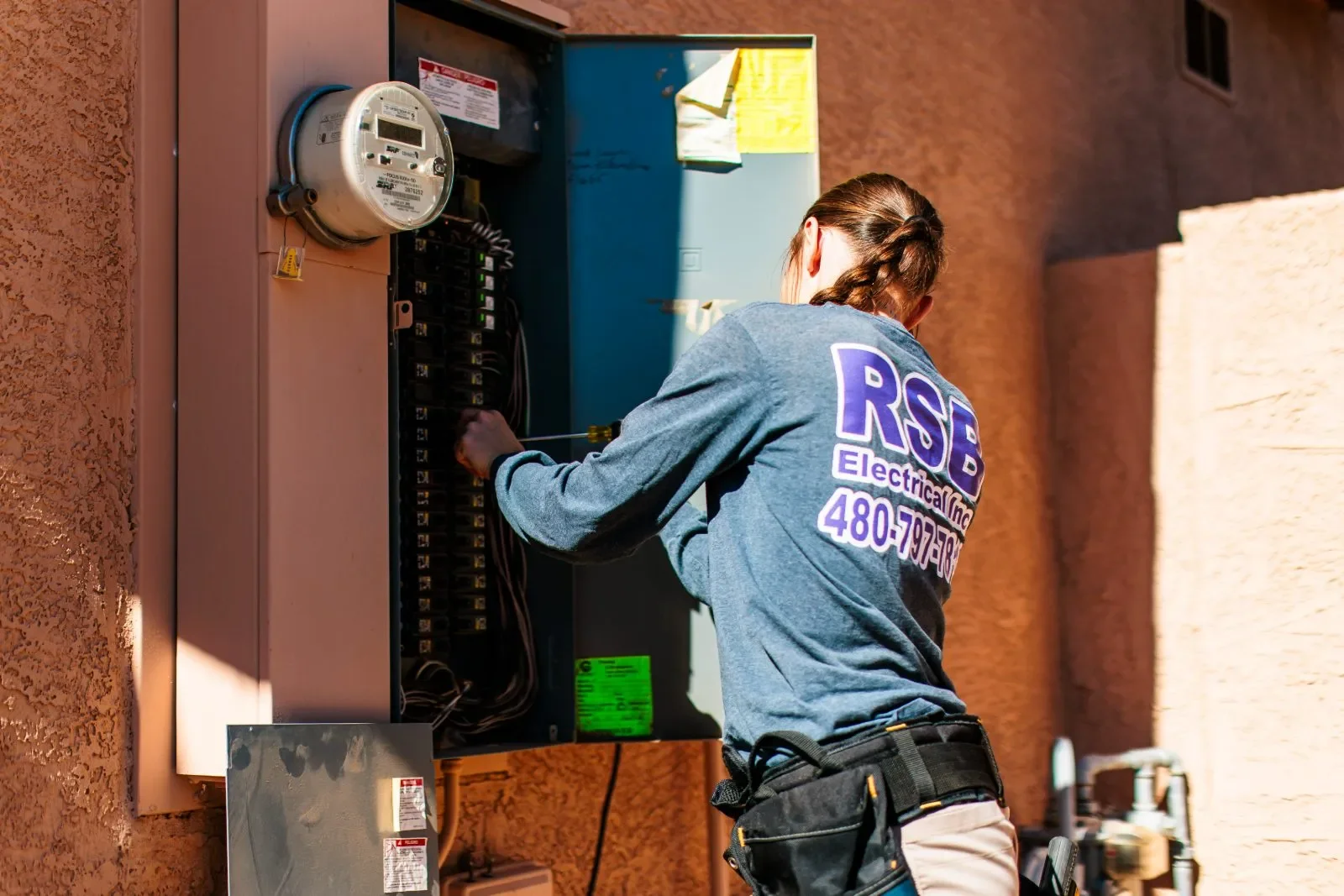
Here is our honest structure, straight from the owner: a precise, checklist-driven inspection is hourly work, and we bill it that way, telling you the realistic hours for your home’s size and era before we start. No teaser inspection priced to lose money and recovered through invented repairs; the inspection is the product, and what you get is the deliverable that matters: a prioritized fix list with pictures, written plainly enough for a buyer, a carrier, or a worried homeowner to act on.
Whether a sale, an insurance letter, or a fifty-year-old panel started this conversation, the answer is the same visit: panel to outlets, documented, prioritized, and yours.
Why Realtors and Homeowners
Order RSB Inspections


Careful Eyes, In Customers’ Own Words
Public Google reviews from real RSB customers, quoted as written.
RSB vs. the checkbox and the bait
Inspection Expertise: What the Hourly Buys You
What the hourly model actually buys you.
Why is hourly the honest model
A fixed low price buys a fixed, cheap look, and a free inspection is a sales call wearing a clipboard. Hourly billing aligns the inspector with the truth: the time goes where the house needs it, the report owes nothing to a repair quota, and the customer knows the realistic hours before anyone starts. It is the least clever business model in the trade, which is exactly why it produces the most believed reports.
Panel forensics, not panel glances
Inside the panel, we read what decades wrote: torque tested on connections, discoloration that maps old heat, breaker brands and their histories, workmanship that names its era, and the labeling checked against reality. Ten unhurried minutes here routinely find what a checkbox inspection never will, because the checkbox never had the cover off.
Protection is tested, never presumed
GFCIs that reset but no longer protect, AFCIs that trip on nothing or never, both look identical to devices doing their jobs. We test the function the proper way, and in new builds, we specifically hunt the installer errors that leave arc-fault protection present in name only, a pattern we find often enough to check for it every time.
Grounding, the invisible foundation
Every protective device in the house assumes the grounding system works, and older Valley homes fail that assumption quietly: corroded electrodes, interrupted bonds, grounds that end nowhere. Verifying it takes deliberate effort, which is why it is on our checklist and absent from most others.
Reading a house’s layers
A fifty-year-old home is an archaeology site: the original wiring, the 80s addition, the 2005 kitchen, the mystery weekend projects. Part of inspection craft is dating the layers, judging each on its own workmanship, and flagging the joints between them, because the joints are where trouble lives.
Infrared, used like a tool instead of a prop
Thermal imaging earns its place when something needs to be seen under load: a suspect connection, a warm spot without a story, a panel worked hard. We deploy it when the inspection warrants, read it with an electrician’s judgment, and skip the rainbow-picture theater that pads lesser reports.
Writing for the reader who matters
The same findings serve three different readers, and the report knows its audience: plain urgency for the homeowner, negotiation-ready specifics for the Realtor, and underwriter language for the carrier. A finding that cannot be understood cannot be acted on, so we write like it matters, because it does.
Inspection Questions, Answered Straight
1.How much does an electrical inspection cost?
It is hourly, honestly stated, and you get the realistic hours for your home’s size and era before we start. What you never get is a teaser price that has to be recovered through invented repairs.
2.How is this different from my home inspector?
Your home inspector assesses the entire house and flags electrical concerns for a specialist; we are the specialists. Panel interior, function-tested protection, era judgment, and repair-ready specifics are the differences, and the two reports work best together.
3.We are buying a 1970s home. Do we need this?
That decade wrote the strongest case for pre-purchase electrical inspection anywhere in the Valley: aluminum wiring and era panels, both invisible from the kitchen. Our aluminum wiring page covers that story in depth, and the inspection answers it for your specific house before you close.
4.Our insurance company sent a letter. What now?
Send it to us. We scope the inspection to exactly what the carrier requires, document findings the way underwriters want, and if fixes are required, quote them separately with the verification paperwork that closes the file.
5.Will you pressure us to buy repairs?
No, structurally: the inspection is billed as its own product, the report is yours regardless, and repair quotes happen only if you ask. Nobody here is paid to find problems, which is why Realtors trust the findings.
6.How long does an inspection take?
Most Valley homes run a few focused hours, more for large, era, or heavily modified houses, and you get the realistic estimate at booking. Escrow deadlines get calendar priority; tell us the date, and we will hit it.
7.What exactly do we receive afterward?
A prioritized fix list with pictures: every finding photographed, explained in plain language, and ranked by real urgency. It reads like it was written for a human, because it was.
8.Do you use infrared cameras?
As a method, when the inspection warrants it, suspect connections and panels are imaged under load, and the findings are included in your report like any other evidence. We do not sell thermal imaging as a separate spectacle.
9.Can you fix what you find?
Yes, and most customers ask us to: quotes come from the report, written and honored for 30 days, with the work carrying our standard one-year warranty. The report also travels freely to any electrician you choose.
10.Is there a pass or fail?
No, and beware anyone who grades that way. Houses are not exams; they are lists of conditions with different urgencies, and our job is ranking them honestly so you can decide with clear eyes.