
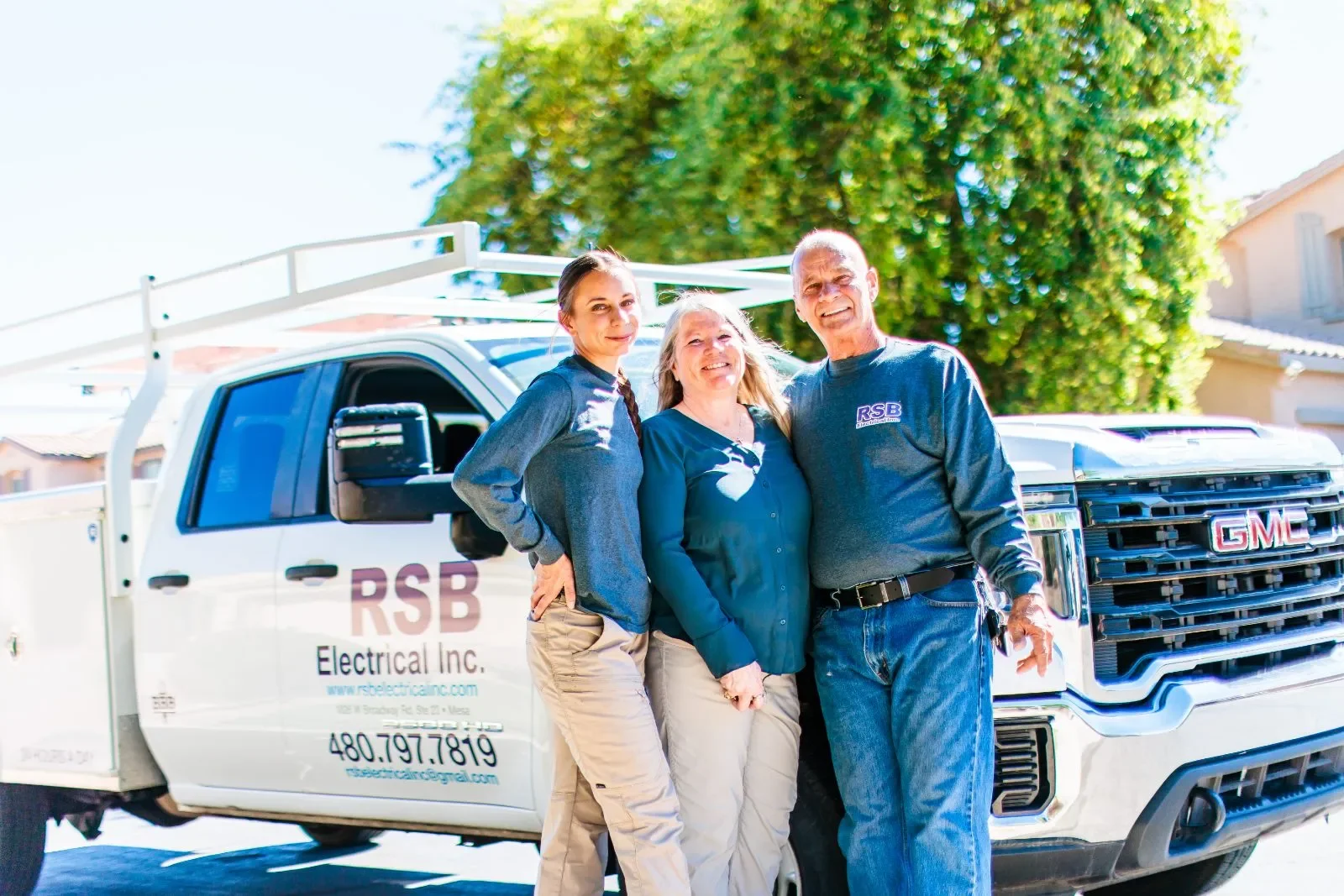
A Village Changing One Parcel at a Time
Every year another Laveen field becomes another Laveen subdivision, and the electrical map changes with it. The legacy parcels carry long feeder runs, outbuildings, well-worn panels, and wiring that grew with decades of practical ranch life. The new streets carry the opposite inheritance: minimum-spec circuits meeting maximum modern loads, from EVs to garage gyms to home offices.
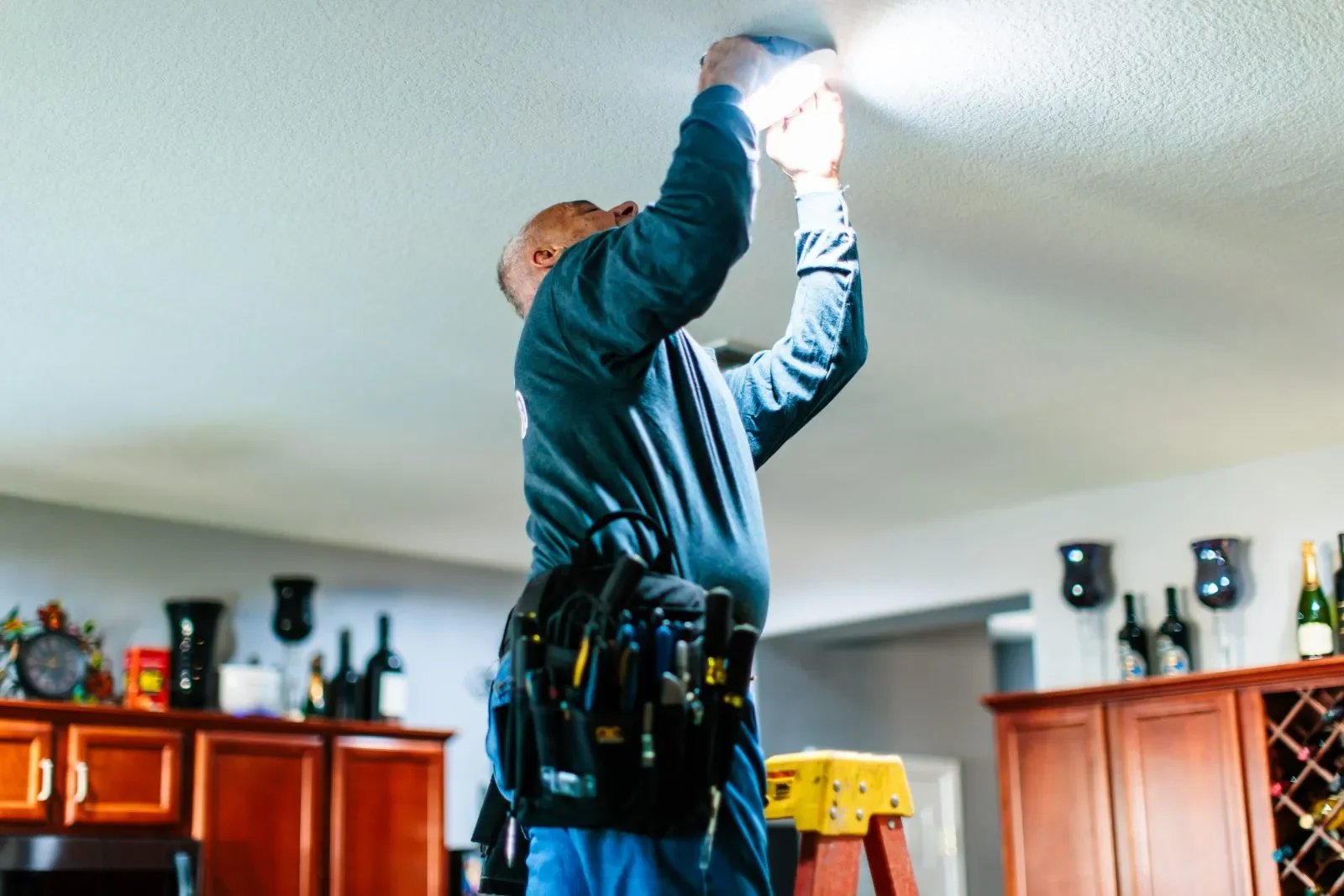

Fence-Line Reputations
On streets where families have shared irrigation schedules for generations, recommendations travel along fence lines and stick for years. That is the review economy we prefer. The public version sits below: our live Google record, all of it, from customers who were strangers until the first visit ended well.
RSB vs. the Franchise Dispatch in Laveen
The Whole Village
From the legacy acreage along the irrigation laterals to the newest subdivisions rising out of former fields, and the small commercial serving the village's growth corridors, our coverage is all of Laveen, with South Mountain watching every job site.

What It Costs, Honestly
Laveen Questions, Answered Straight
Scheduling, panels, EV chargers, inspections, commercial work, and what things cost — answered plainly.
1.Do you actually run power to barns and outbuildings?
Yes, sized for the distance and the use the building actually gets. Well and irrigation pumps go to pump specialists, and we say so upfront.
2.Can you handle City of Phoenix permits for Laveen work?
Yes, entirely. Applications, inspections, and documentation are part of the job; you never touch the portal.
3.How do you schedule a village this far southwest?
On planned cross-Valley runs, we keep windows. Distance is managed with logistics, and you hear real timing from the first call.
4.What if something fails at night out here?
The 24/7 line reaches a person, and the answer starts with triage: what failed, what is at risk, and whether tonight needs a truck or tomorrow's first slot serves you better, priced either way honestly.
5.We just bought a former ranch house. Where do we start?
With an assessment: panel, grounding, feeders, and the decades of practical additions, photographed and explained. Then a phased plan ordered by safety first, convenience second.
6.Can you wire my new-build garage for an EV and a workshop?
Yes, on load calculations that account for both. If the panel needs headroom first, the written quote makes that clear.
7.Does arena or yard lighting glare into the neighbors?
Not when it is aimed and shielded properly, which is the only way we hang it. Open-land lighting is a design job, not just a mounting job.
8.Do you serve Laveen's newer commercial?
Yes, storefronts and offices along the growth corridors, under the same CR-11 license, with after-hours scheduling available.
9.Is a pre-purchase inspection worth it on acreage?
More than anywhere: parcels accumulate improvisations, and an hour of checklist-driven inspection with written findings can reprice a negotiation.
10.Can you add power for a casita or guest quarters?
Yes: a properly sized subpanel, a feeder run planned for the parcel, and permits through the Phoenix system, so the second building works like a building instead of an afterthought.
11.Do older flood-irrigated lots complicate electrical work?
They shape it. Flood schedules, saturated soil windows, and buried legacy lines all inform where and when we trench, and knowing to ask is half the protection.
12.How far can you run power to a building out back?
Farther than most people assume, as long as the conductors are sized for the distance. The limit is rarely the distance itself; it is whether someone did the voltage-drop math before trenching.
13.What is the warranty?
One year on labor and materials, invoice as proof, from the newest cul-de-sac to the oldest lateral.
