A Community With a Single Birth Certificate
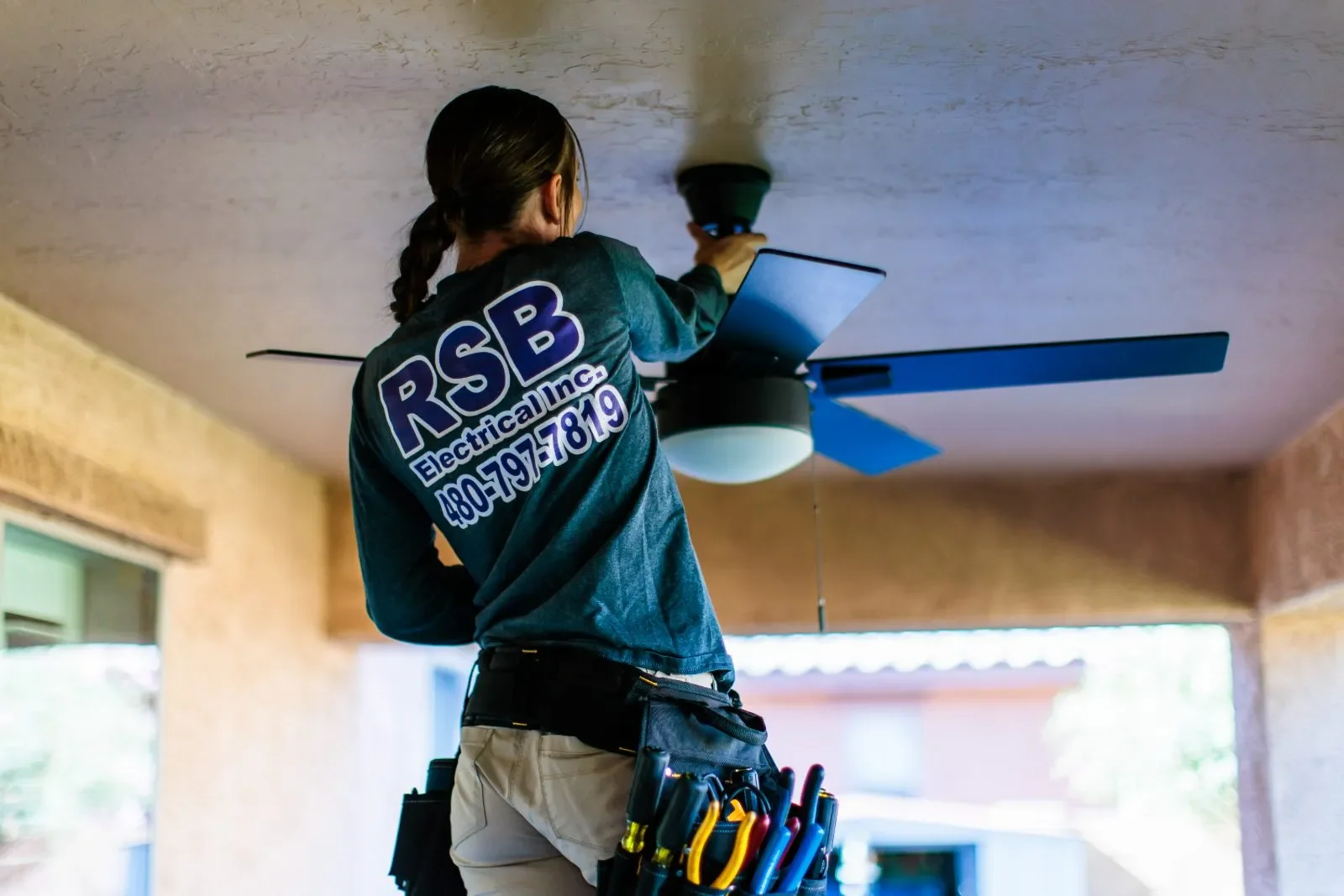
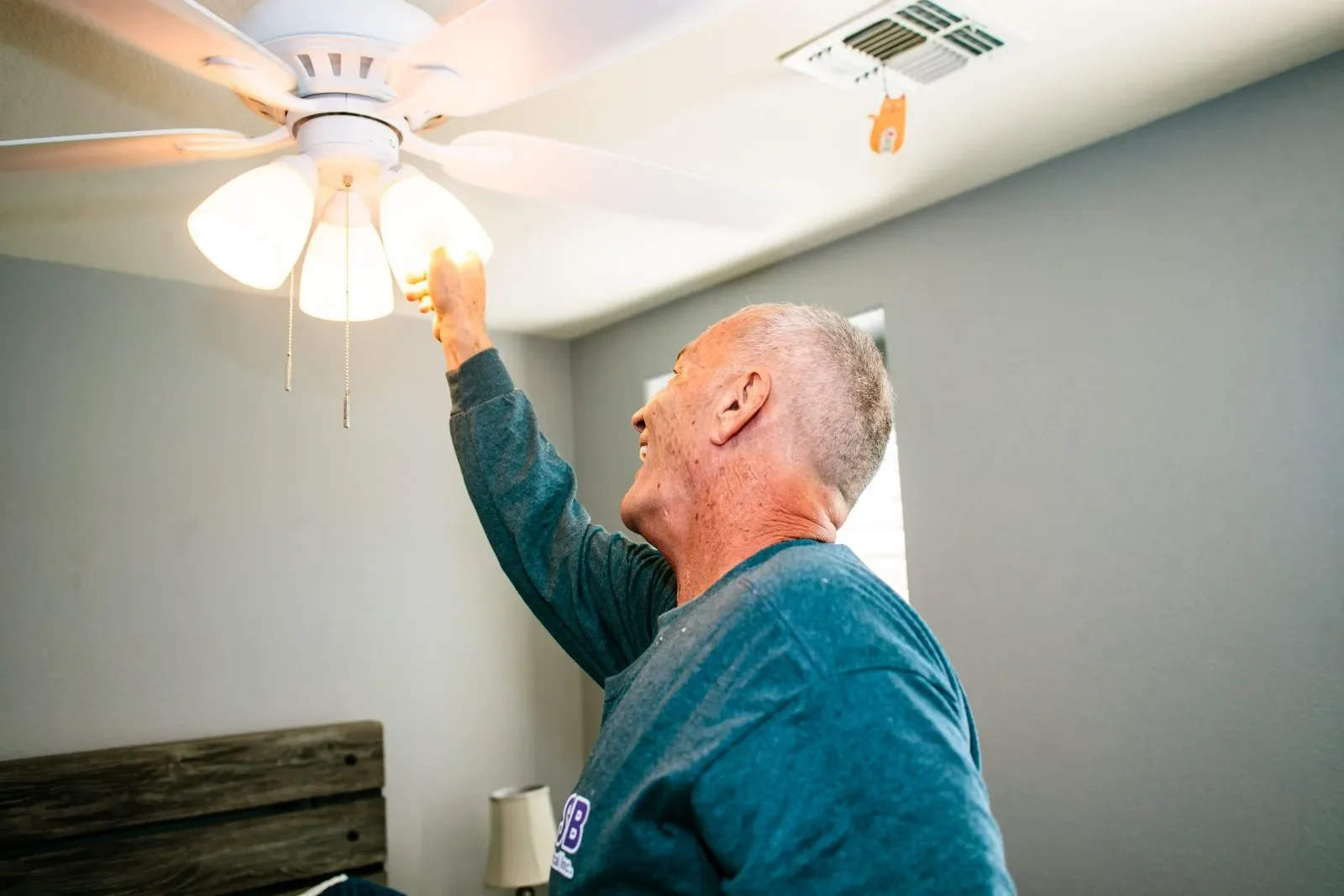
Because Anthem went up between 1999 and its 2008 build-out, its electrical infrastructure shares one biography. The panels are siblings, the builder devices are cousins, and the service questions arrive in cohorts: whole streets reaching the age where original equipment wants attention within a few seasons of each other. For homeowners, that is actually good news, because the community's experience travels; the questions surface street by street, so the answers are usually already circulating before your turn arrives.

A Community That Reads the Fine Print
People who choose a self-governing community do their homework, and we would not have it any other way. Our homework is below: the live Google record of every review customers have written, in full, ready for the kind of reading Anthem gives everything.
RSB vs. the Franchise Dispatch in Anthem
Every Section of the Community
Our coverage spans all of Anthem's residential sections, from the earliest 1999 streets to the final build-out phases, as well as the commercial serving the community's daily life. Gate and access procedures, where they apply, are Sharee's department and are sorted before the truck heads north.
What It Costs, Honestly
Anthem Questions, Answered Straight
Scheduling, panels, EV chargers, inspections, commercial work, and what things cost — answered plainly.
1.Do you come all the way up to Anthem?
Yes, on planned northern runs built around the 17's realities. The window you book is the window we keep, and scheduling is ours to solve, not yours to worry about.
2.What happens if I lose power to half my house at night?
Call; a person answers. Northern emergencies get treated as the serious things they are, starting with what to isolate for safety and ending with a timing commitment we have thought about rather than guessed at.
3.My home was built in 2003. What should I expect electrically?
The cohort pattern: original panel and circuits entering their service years, builder devices due for better successors, and modern loads testing old assumptions. An assessment tells you where your house sits in the wave.
4.Does elevation really change electrical work?
Outdoors, meaningfully: wider temperature cycling, harder freezes, more wind-driven weather. Materials and mounting choices that ignore it age fast; ours account for it by default.
5.Can you install an EV charger for my commute?
Yes. Load calculation first, honest verdict on headroom, and a permitted install done to be inspected. The 17 does the rest.
6.Will your paperwork satisfy community review?
That is the plan from the first visit: permits, documentation, and photographs generated as we go, so any review reads a complete file.
7.Do you handle the small jobs too?
Batched and gladly: detectors, fans, dimmers, dead outlets, and garage circuits, one appointment covering the lot.
8.Can I get everything documented for a future sale?
Yes, and in a community where buyers do their homework, a documented electrical history is a genuine asset in resale value. Findings, permits, and invoices, all in writing.
9.Do you serve Anthem's commercial spaces?
Yes, under the CR-11 license, with scheduling that respects business hours and community standards alike.
10.Do winter freezes here actually affect wiring?
They affect the outdoor ecosystem around it: irrigation controllers, pool equipment, and exterior receptacles all meet real freezes at this elevation. Weather-rated components and smart placement keep January from writing service tickets.
11.Can you coordinate around my HOA's painting and stucco schedules?
Yes. Exterior work is sequenced with your community's maintenance calendar when asked, so nothing gets mounted twice or painted around awkwardly.
12.Can you set up a proper home office circuit?
Yes: dedicated circuits for the equipment that matters, placed where the desk actually is, so the room stops competing with the rest of the house for power.
13.What is the warranty?
One year on labor and materials, invoice as proof, and elevation changes none of it.