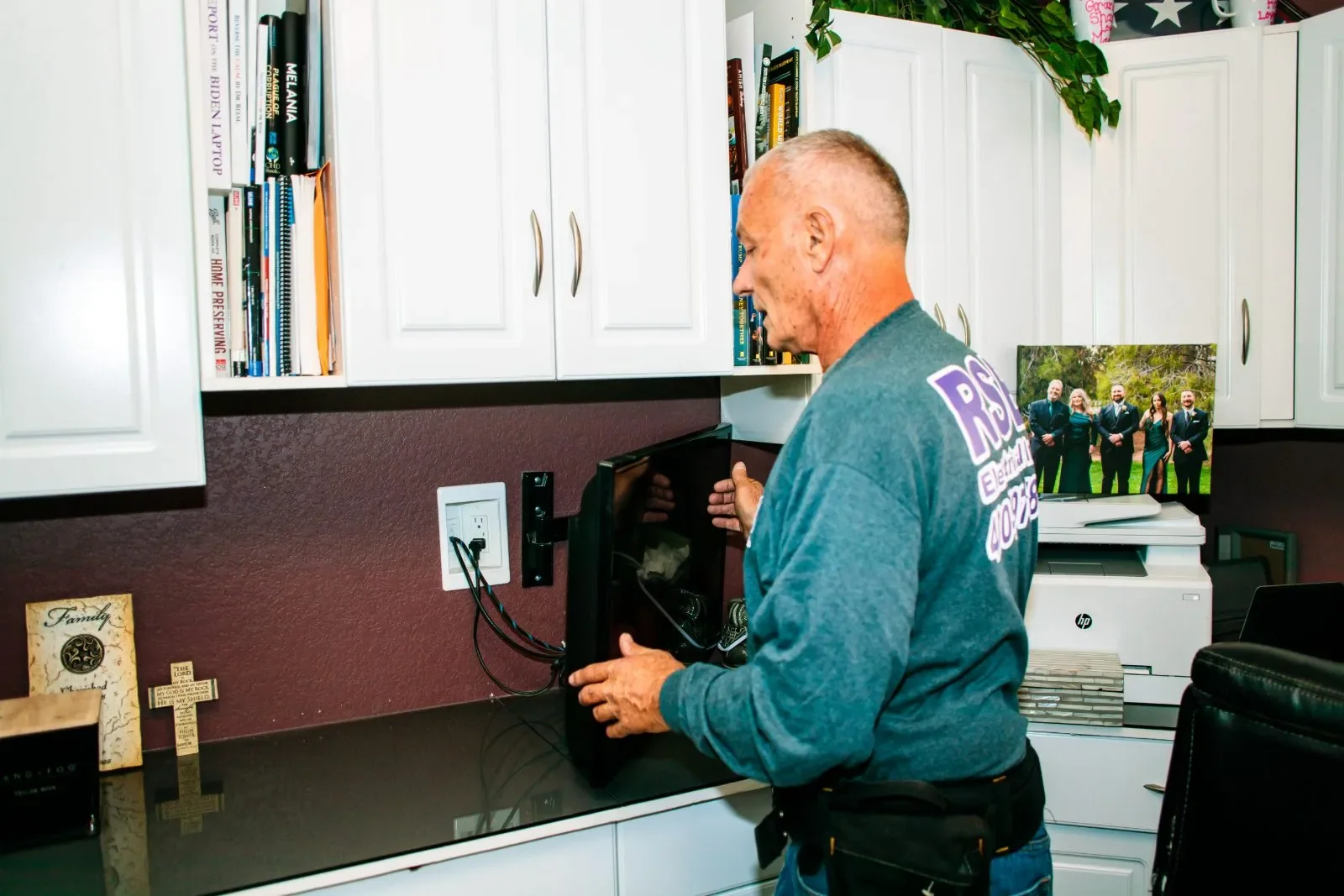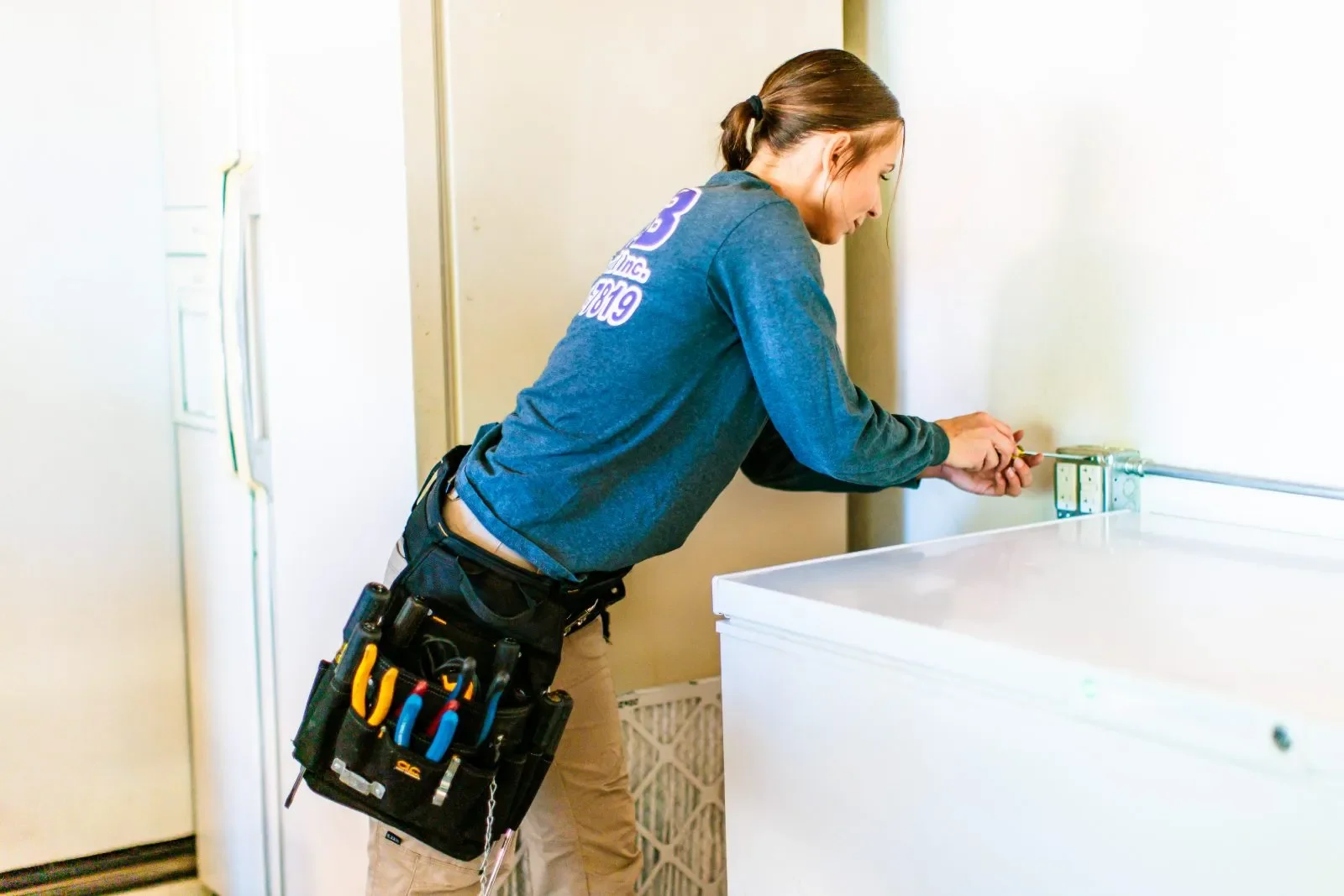
RSB Electrical runs dedicated circuits and 240-volt lines across the Valley: the new induction range where a gas range used to sit, the electric water heater that replaced the old gas tank, the dryer moved to the garage, the freezer that should not share power with anything, the workshop that finally gets real tools, and the 50-amp RV outlet beside the gate. New circuit, right wire, right breaker, right receptacle, done once.
If the new appliance is sitting in its box waiting for power, you are exactly who this page is for.
Why Valley Appliances Plug Into RSB Work
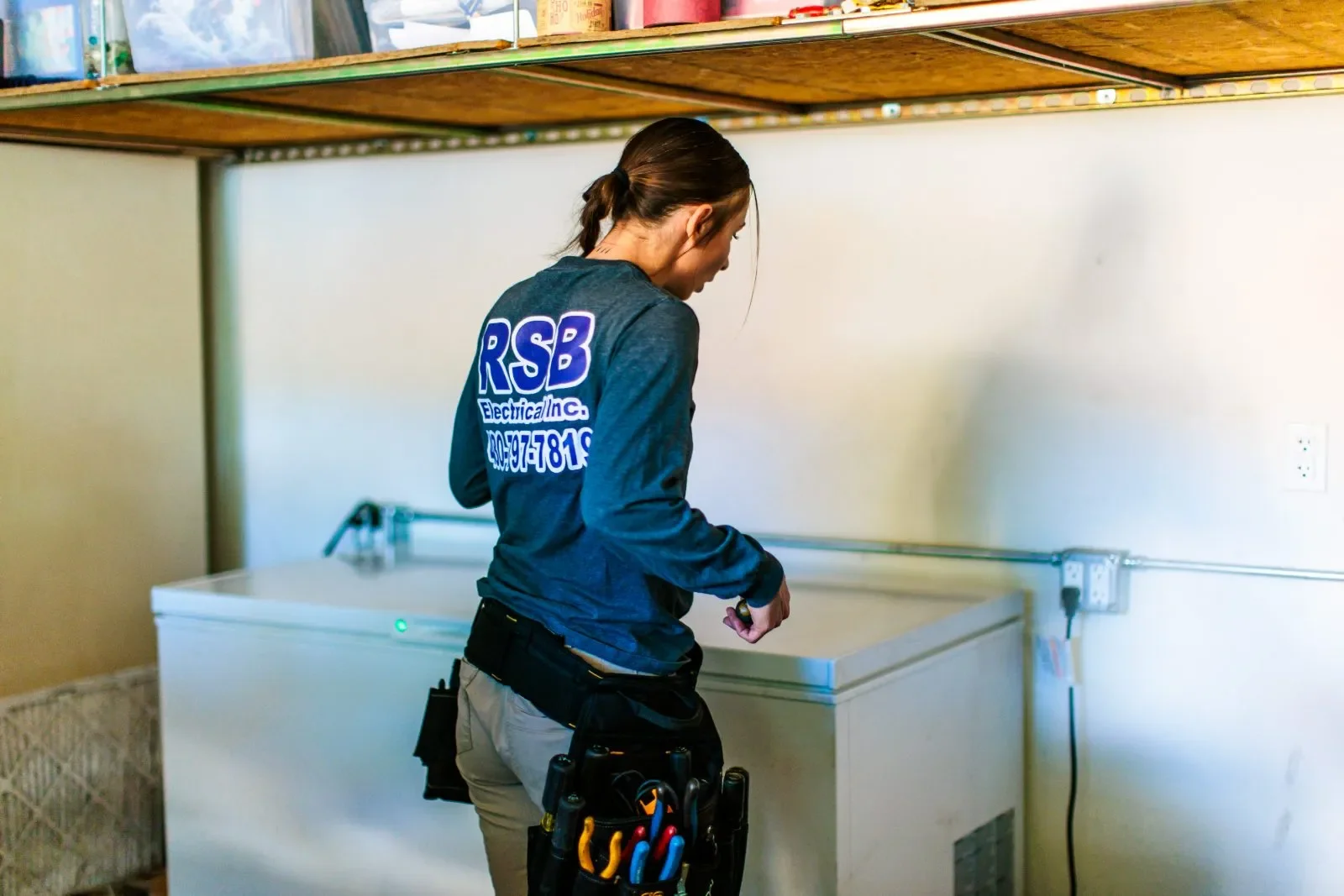
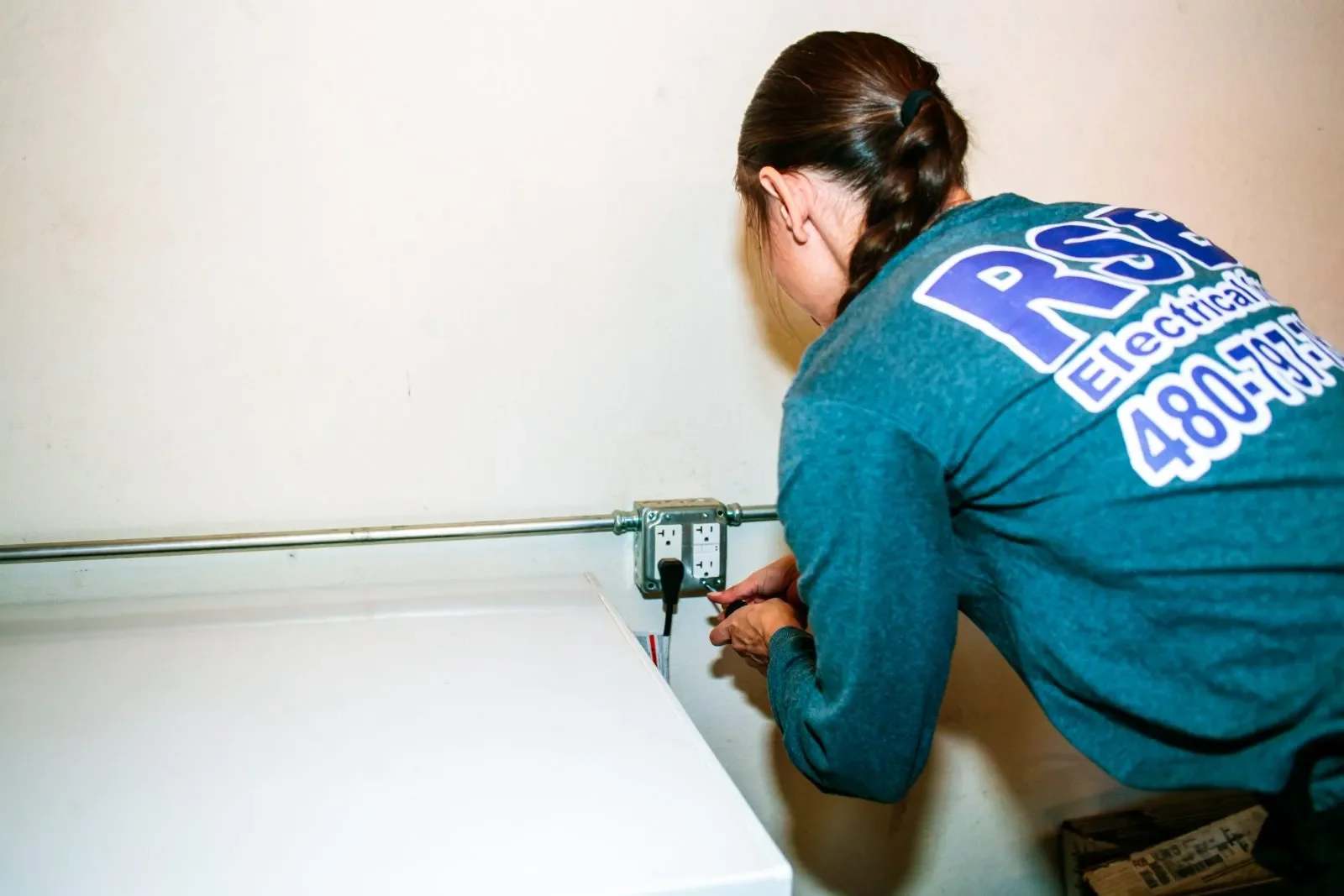
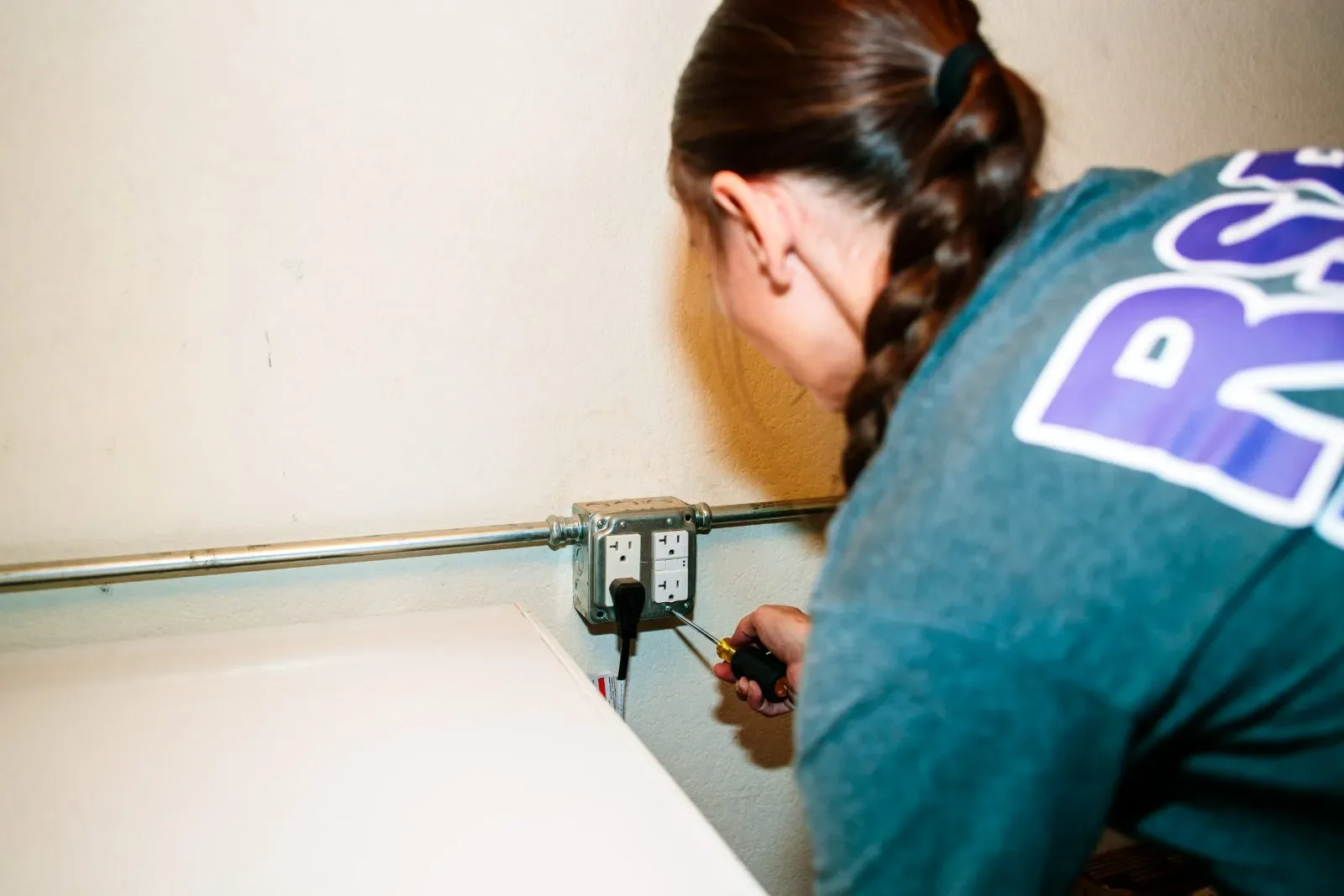
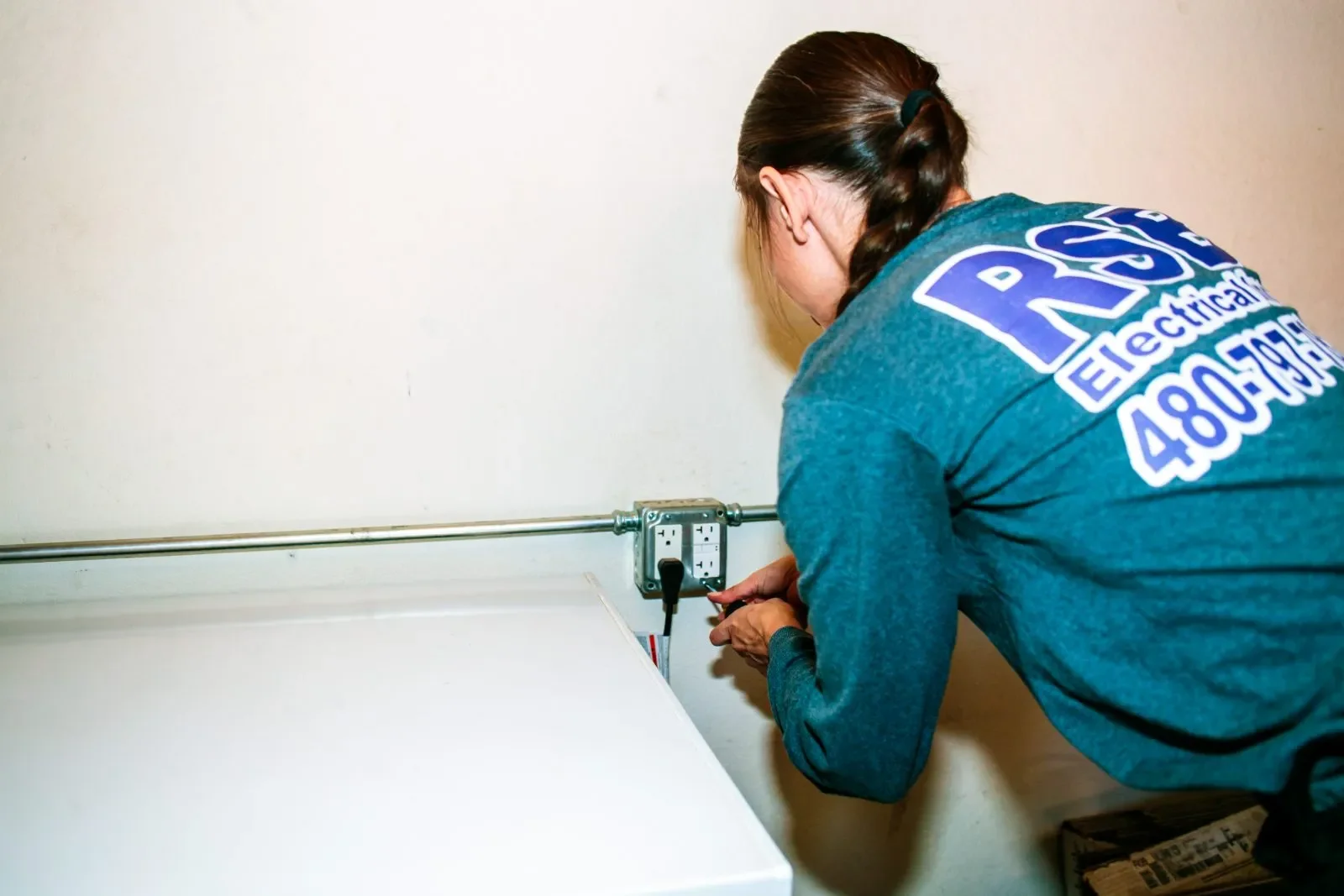
The Work You Never See Again Is the Work That Matters
A dedicated circuit disappears into the wall the day it is finished and spends twenty years being taken for granted, which is the highest compliment infrastructure gets. The live Google reviews on this page are from Valley homeowners whose walls are full of our quiet work, rated in public, in their own words.
RSB vs. the extension cord lifestyle
Circuit Expertise: What Dedicated Really Means
A right-sized breaker on undersized wire protects nothing, and oversized wire on a crowded circuit solves nothing.
One load, one breaker, one honest wire
A dedicated circuit is a promise: this machine answers to this breaker through a wire sized for this appetite, and nothing else rides along. Every element matters together, because a right-sized breaker on undersized wire protects nothing, and oversized wire on a crowded circuit solves nothing. We build the whole promise, or we do not call it dedicated.
The bigger-breaker myth, retired
When a breaker trips repeatedly, someone always suggests a bigger breaker, and that suggestion is how house fires start: the breaker is sized to protect the wire, not to endure the load. The honest fixes are a dedicated circuit for the load or a corrected fault, and we will always tell you which one yours is.
240 volts, demystified
Ranges, dryers, water heaters, and welders drink from both legs of your panel at once, which is what all 240 volts means. The craft is in the details: conductor sizing for the run length, the neutral question each appliance answers differently, and terminations torqued to specification, because big power is unforgiving of small sloppiness.
The receptacle zoo has a logic
Appliance plugs differ by design so that a dryer cannot be plugged into a welder’s outlet, and matching the receptacle to the nameplate is a safety system, not a shopping inconvenience. We install what the manual demands, and when an existing outlet is the wrong pattern for a new machine, we correct the circuit rather than adapt the plug.
Load calculation before addition
A panel is a budget, and every circuit is a withdrawal. Before adding real load, we do the arithmetic across what the house already spends, and the answer decides whether the new circuit simply lands, lands with rebalancing, or waits on a panel conversation. Skipping this step is how houses end up with panels that technically fit and functionally cope with nothing.
Aluminum-era homes need the extra step
Adding circuits in a 1969-to-1977 home means copper for the new run and informed care where new work meets old aluminum. We bond the eras correctly, the same discipline our aluminum wiring page describes, so the new circuit does not become the old problem’s trigger.
Under-load testing is the signature
Any circuit can look dead; ours gets proven with the appliance running: voltage at the receptacle under draw, temperature at the terminations, breaker behavior at startup surge. It takes minutes, catches what visual inspection cannot, and is the difference between installed and verified.
Circuit Questions, Answered Straight
1.How much does a dedicated circuit cost?
We do not publish prices; the run length and the load write each quote, and batching several circuits into one visit is the best value here. Free estimate, written quote honored for 30 days.
2.My new range needs 240V, and I only have a gas line. Can you fix that?
Yes, this is one of our most common calls: a 240-volt circuit from the panel, the correct receptacle behind the range, and a capacity check first so there are no surprises. The range cooks the night the circuit is done.
3.The breaker trips when I run the microwave and toaster together. Why?
They share one circuit that was never meant for both, and the breaker is doing its job. The fix is a dedicated circuit for the heavy appliance, not a stronger breaker, which would just let the wire overheat instead.
4.Can you put my garage freezer on its own circuit?
Yes, and in Arizona garages we recommend it with feeling: the freezer works too hard here to share power, and a nuisance trip you discover a week later costs more than the circuit.
5.Do you install RV hookups at houses?
Yes: 50-amp and 30-amp outlets at the gate or beside the house, wired and protected to the rig’s rating. No adapter pyramids, no borrowed dryer outlets.
6.My new electric water heater will not run on the old wiring. What now?
Gas-to-electric swaps almost always need a new circuit sized to the unit, and heat-pump models have their own requirements. Send us the model number; the quote is quick, and the fix is routine.
7.Does my panel have room for more circuits?
That is the first thing we check, honestly, and before quoting: capacity, breaker space, and the load the house already carries. If the panel is the bottleneck, you get options, not pressure.
8.Can you wire my workshop for real tools?
Happily, dedicated tool circuits, 240-volt lines for welders and compressors, and a small subpanel when the shop has outgrown sharing. Saws stop sagging, and breakers stop complaining.
9.Is this the page for EV charger circuits?
That work gets its own page and its own expertise: see our EV charger installation service. Everything else with a big plug lives here.
10.What is the warranty?
One year on labor and materials from completion, invoice as proof.